İçeriğe geç

products

QualityPolicy

Our company's quality policy forms the basis of all efforts to increase customer satisfaction and continuously improve the quality of our products and services. We maintain in-house communication and training activities so that all our employees understand, adopt and apply this policy. We also continuously review our quality management system, making improvements to use it more effectively.

QUALITY

Quality Is Not a Document, It Is a Process. At every stage from design to commissioning we work to international standards. Since 2005 we have carried our deep engineering experience to global markets under the ACES Process umbrella. Our understanding of quality is built on sound engineering decisions, traceable processes and uninterrupted communication with the customer.

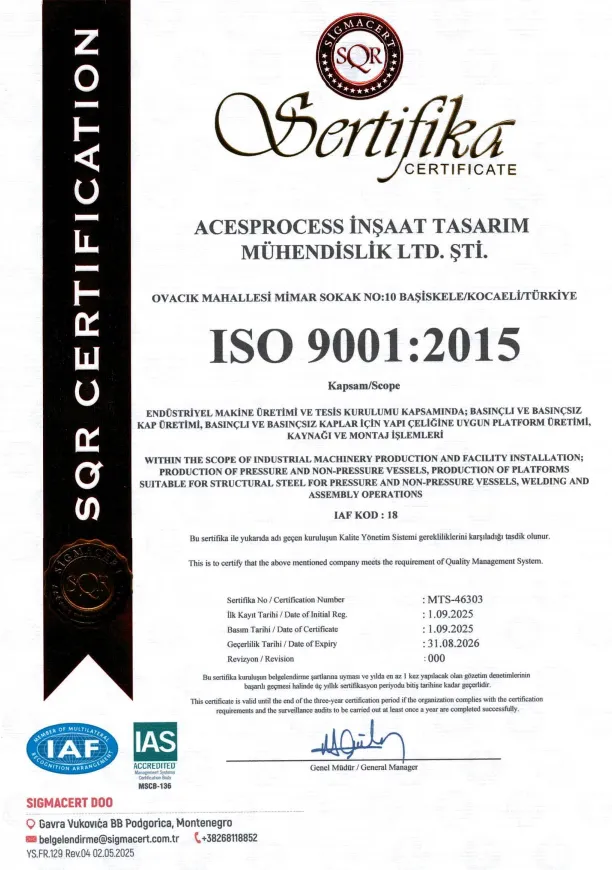
TS ISO 9001

Quality Management

At Aces Process, quality management refers to our systematic approach across the entire process of developing, manufacturing and delivering process engineering, plant design and field applications to the customer. Our TS EN ISO 9001 certificate is the documented proof of this approach within the framework of international standards. The foundations of our quality system:

  • Traceability at every stage from design to delivery
  • Risk-based thinking and continuous improvement
  • Process management that puts customer requirements at the center
  • Documented quality records and internal audit discipline
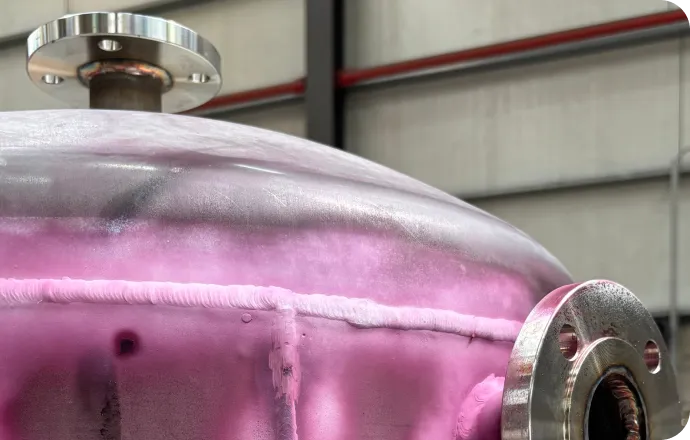
Dye penetrant inspected pressure vessel

CE & International

Declarations of Conformity

To operate safely in European and global markets, every piece of equipment and system must fully comply with all applicable directives and regulations. From the design stage onward, ACES Process manages country- and customer-specific legal requirements as an integral part of the process. The value we deliver:

  • Every product is documented in full compliance with international legislation
  • Your products can circulate freely in the European market without any technical barriers
  • Your certificates remain valid throughout audit, export and supply chain processes

Dye penetrant weld inspection

ATEX-IECEx-NEC/NFPA

Explosion Safety

Sectors that carry explosive-atmosphere risk such as petrochemicals, refineries, pharmaceuticals, food and defense have extremely critical requirements in terms of both equipment safety and legal compliance.

Aces Process carries out the process design, equipment selection and system commissioning of facilities operating in these sectors in full compliance with explosion safety standards. Our scope:

  • Ex zone classification and design according to ATEX (European Union) directives
  • Internationally valid certification with IECEx
  • Explosive atmosphere risk assessment and documentation
  • Pre-commissioning safety verification of the facility.

Aces Process manages ATEX, IECEx and NEC/NFPA compliance simultaneously for the same facility.
CERTIFICATES

TS EN ISO 9001

TS EN ISO 9001

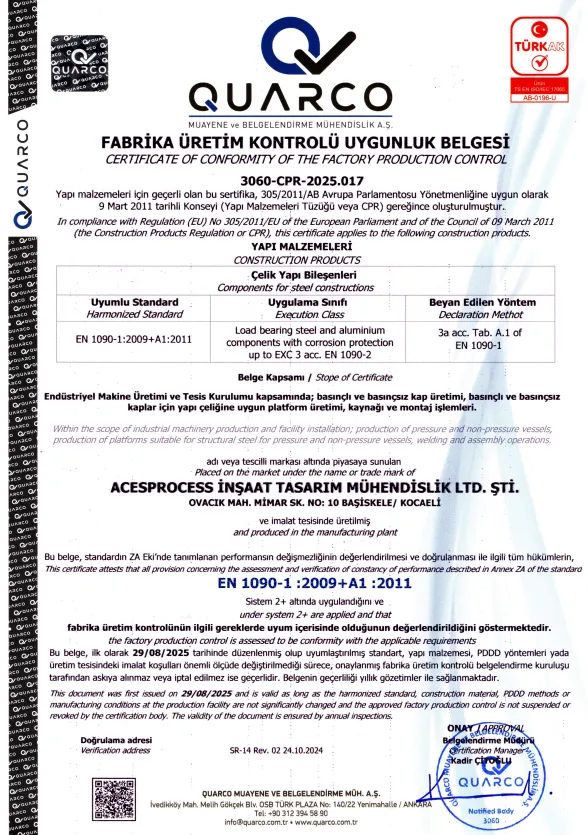
TS EN 1090

TS EN 1090

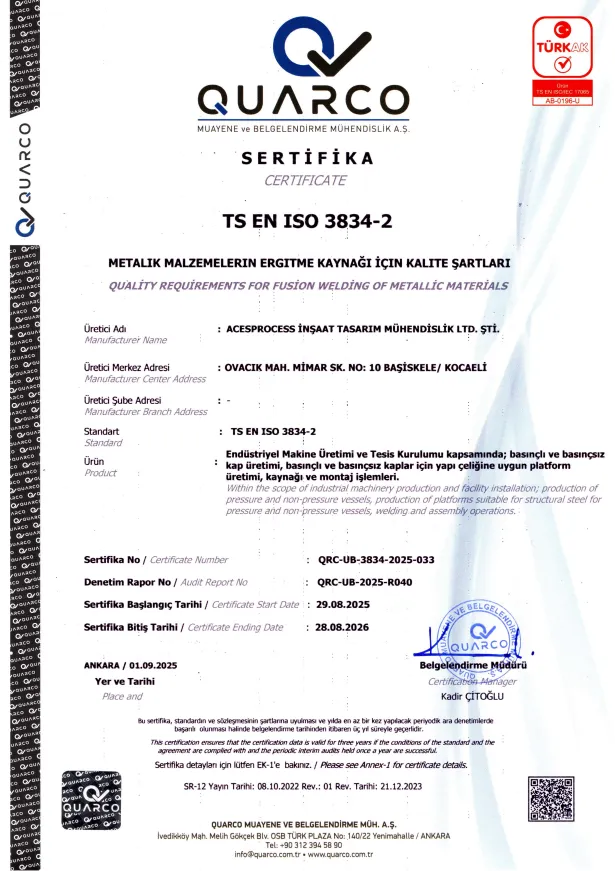
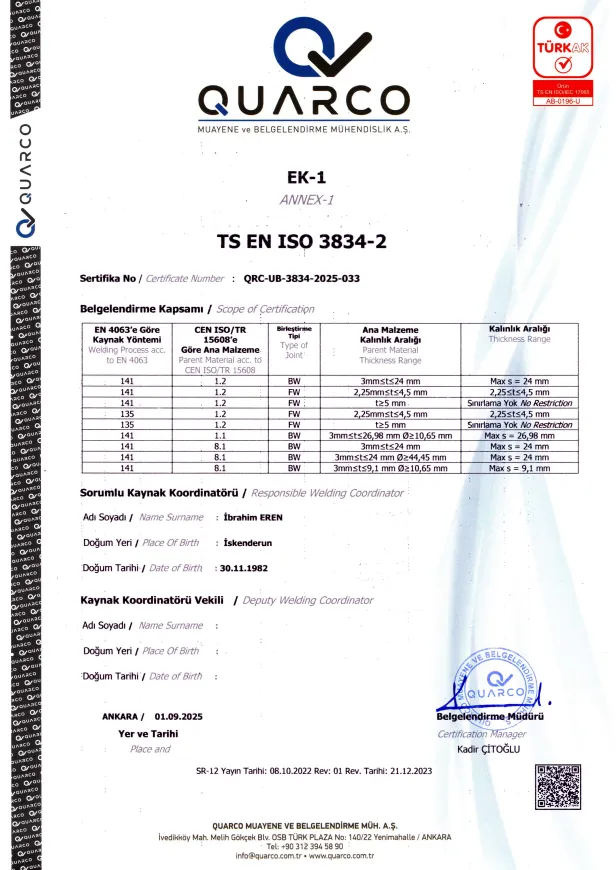
TS ISO 3834-2

TS ISO 3834-2

3060 CPR

3060 CPR

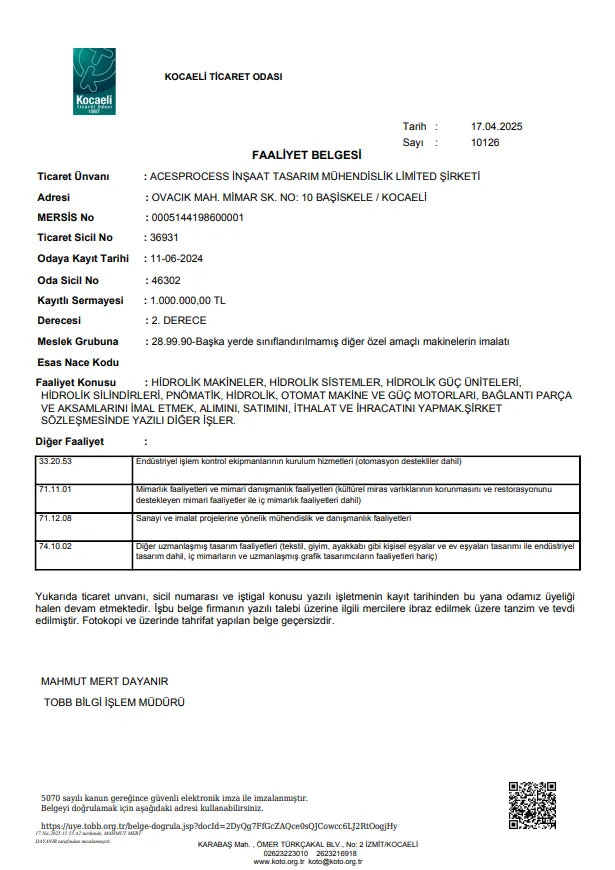
Chamber of Commerce

Chamber of Commerce

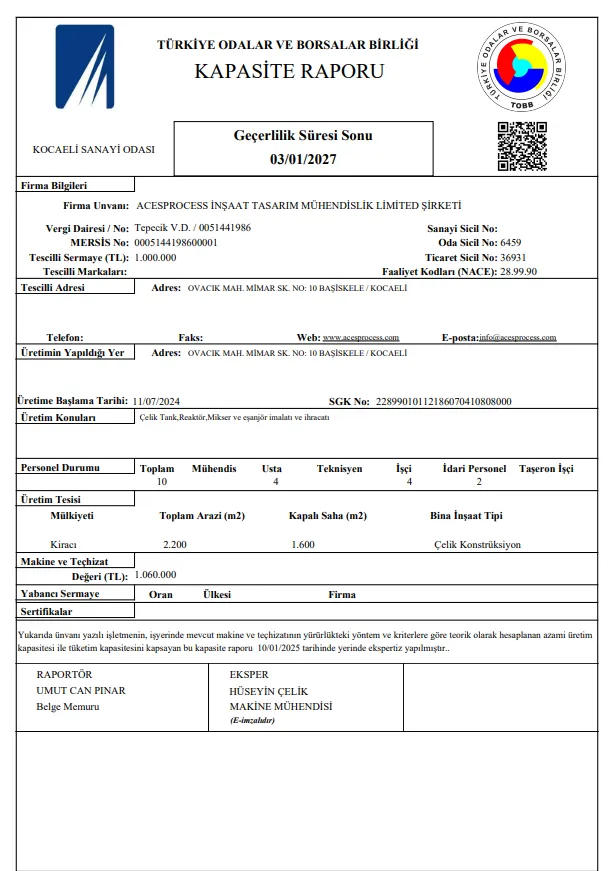
Capacity Report

Capacity Report

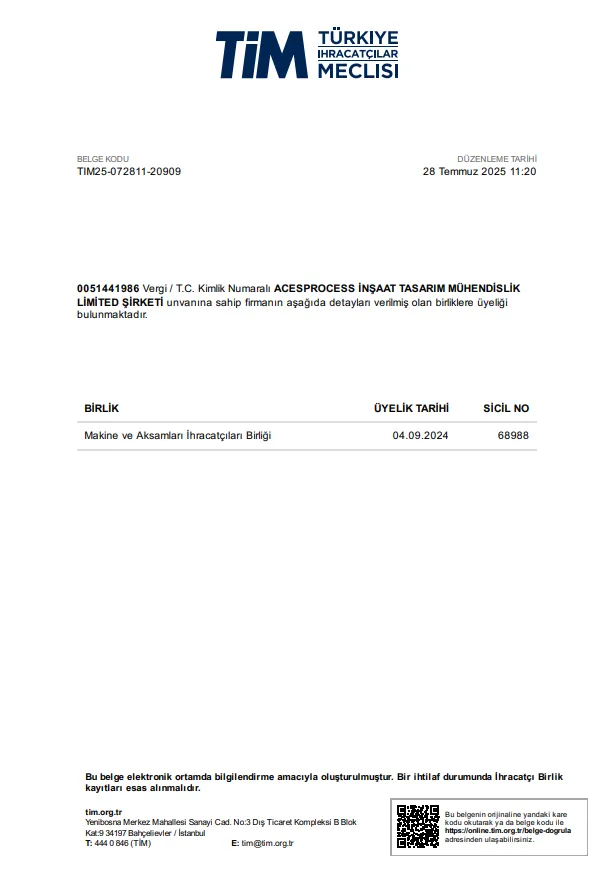
Turkish Exporters Assembly
Turkish Exporters Assembly

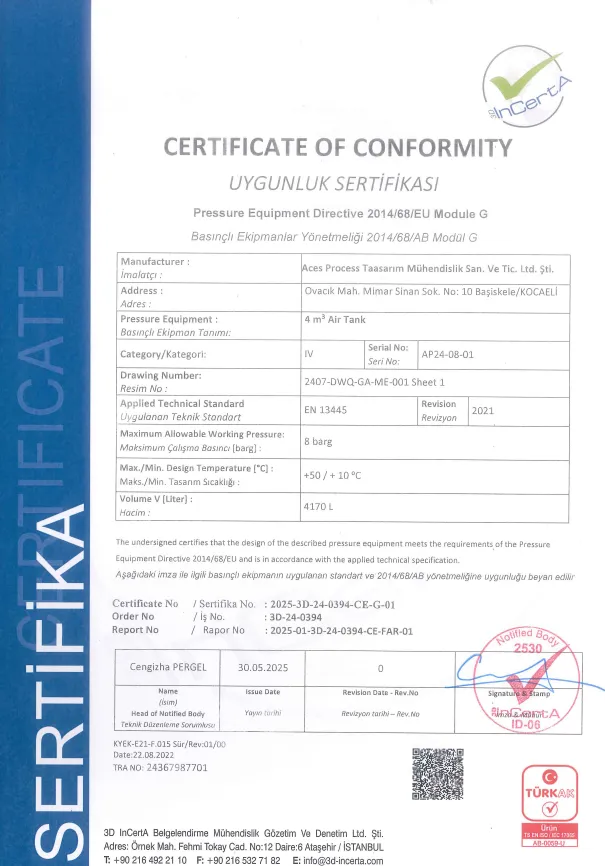
CE Certificate

CE Certificate

PED & ASME

PED - ASME PRESSURE EQUIPMENT SAFETY

PED & ASME

Pressure vessels and process equipment are an equipment group subject to the most rigorous engineering and certification requirements, both for operational safety and international trade. ACES Process manages design, manufacturing supervision and conformity processes in this field at the highest level of international standards. Our standard scope:

  • PED 2014/68/EU: Design and certification compliant with the European Pressure Equipment Directive
  • ASME: Boiler and pressure vessel standard valid in the US and international markets
  • EN 13445: European standard for welded pressure vessel design and manufacturing
  • Category and risk classification, comprehensive technical file preparation
  • Integrated process management with Notified Bodies
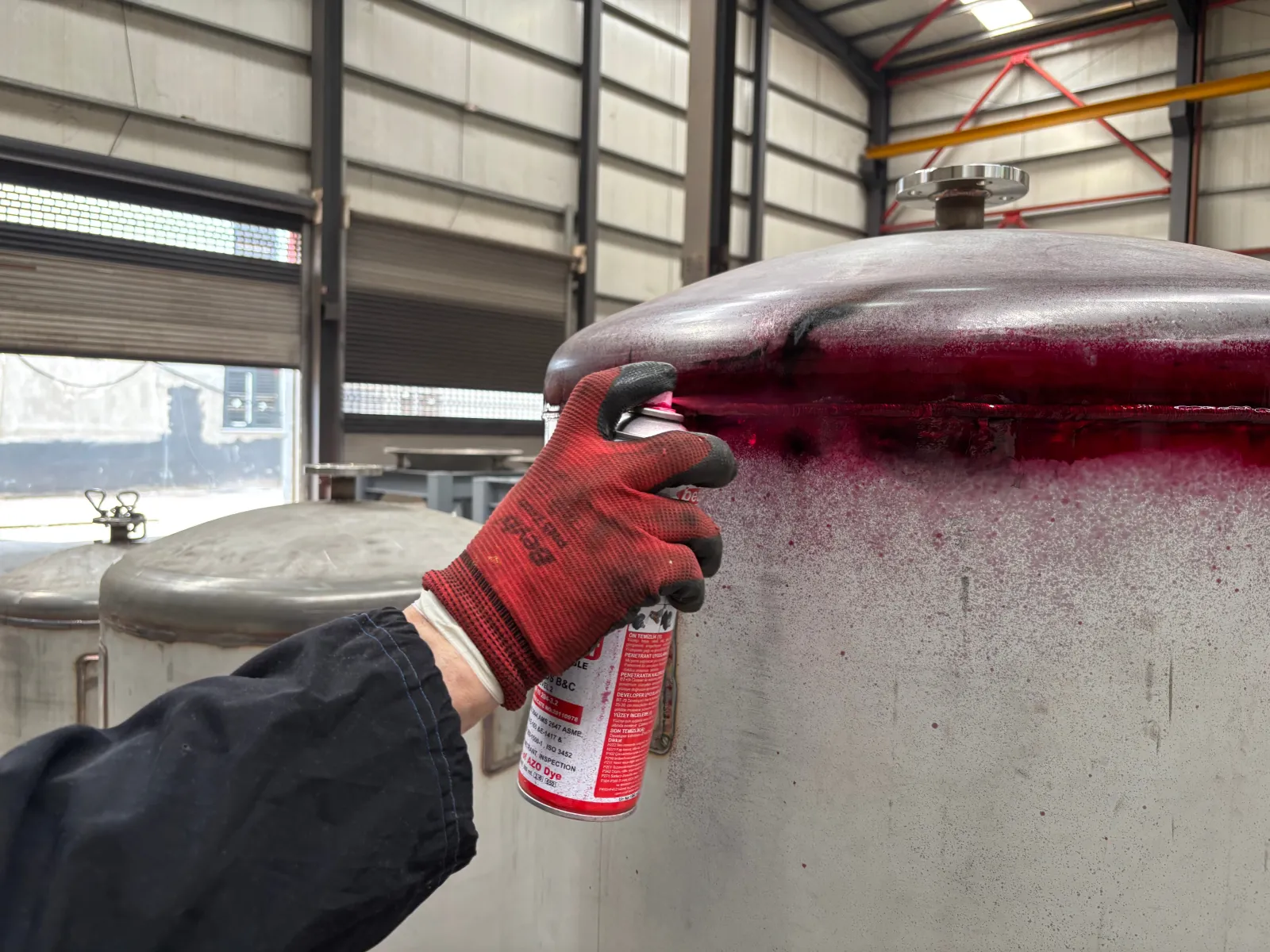
Pressure vessel dye penetrant testing

ASME AMERICAN SOCIETY OF MECHANICAL ENGINEERS

Validity: International

The ASME Boiler and Pressure Vessel Code is the leading body of regulations for pressure equipment in the US and many other international markets. Our pressure equipment manufactured to the ASME standard carries, where required, the official ASME stamp certifying compliance with the high safety requirements of the ASME code.

Our Added Value:

  • Global Market Access
  • Maximum Safety
  • Certified Quality
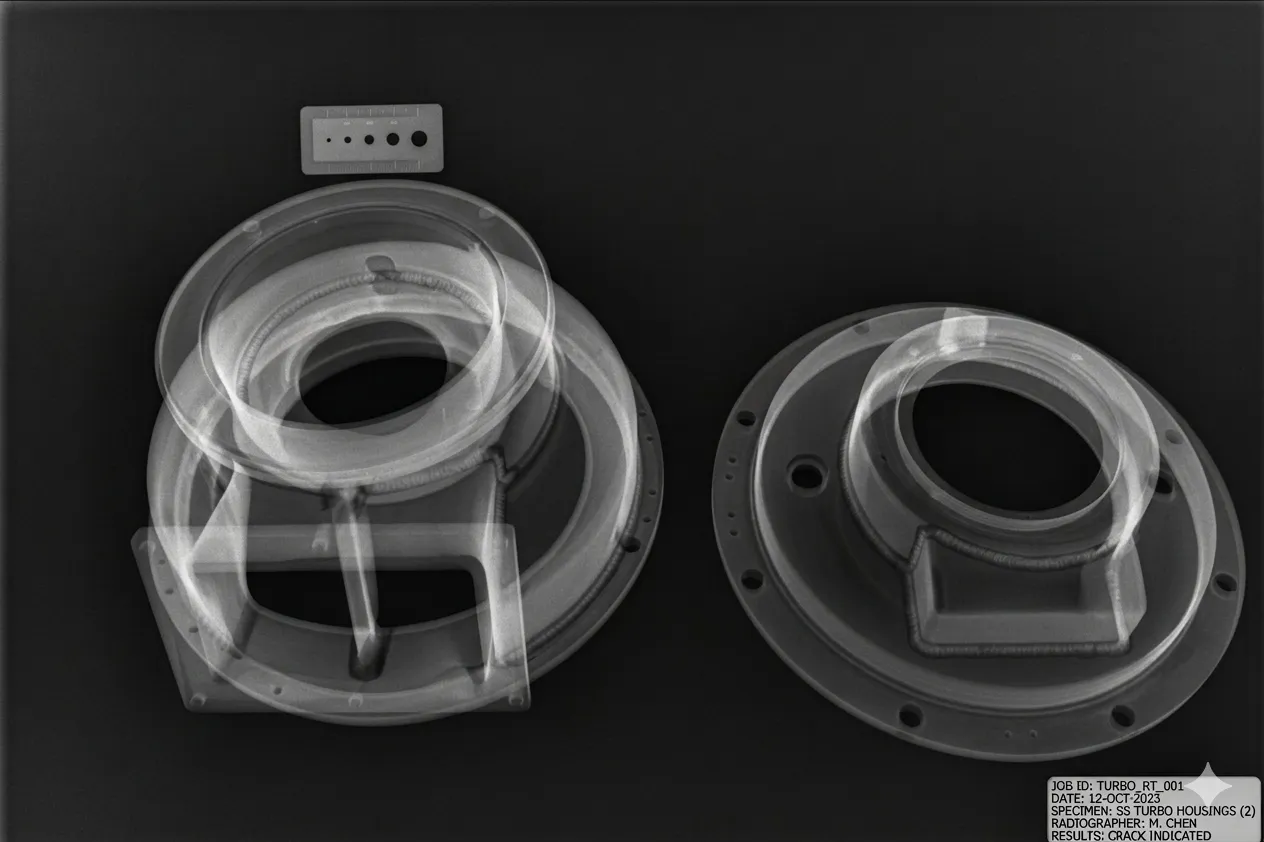
Radiographic inspected components

STEEL AND ALUMINIUM STRUCTURES EN 1090

Validity: Germany/Europe

In plant engineering, the reliability of steel and aluminium constructions requires the joint management of material quality, production process and welding quality. With EN 1090 EXC 2 certification, ACES Process provides quality assurance in the highest execution class for steel and aluminium structures. Our EN 1090 scope:

Importance and application:

  • Material durability and material quality meet the highest standards
  • Processing and surface treatments are carried out with the best methods
  • Installation is performed safely and efficiently
  • Components are safe and environmentally friendly
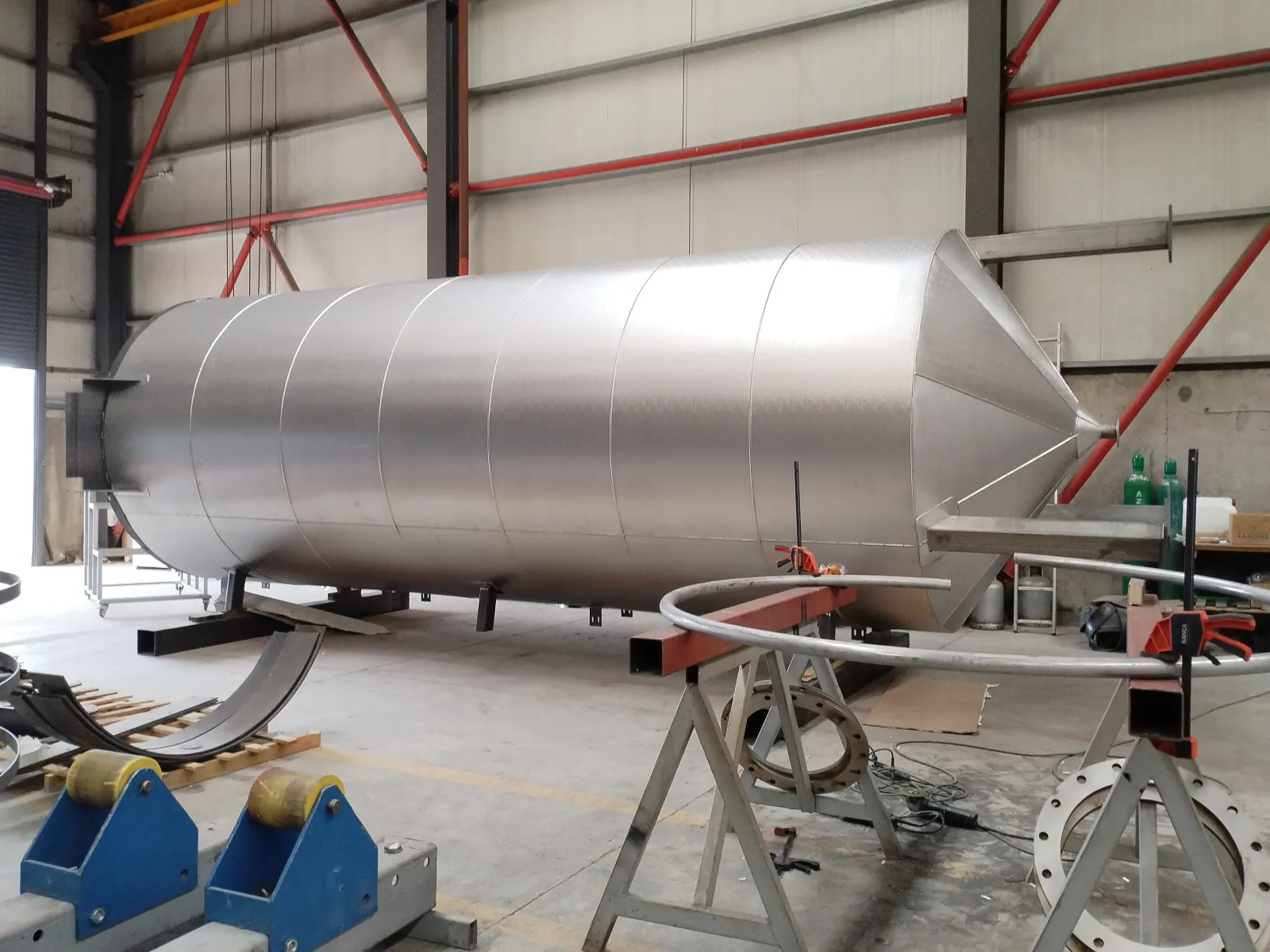
Steel storage tank

Your advantages:

  • Highest quality standards in steel and aluminium constructions
  • Safe and long-lasting structures such as stages, stairs and railings

Quality standard TS EN ISO 3834-3

Validity: International

This standard defines the quality requirements for welded components and structures and ensures that all welding work meets the highest international standards. Certification means that the quality of welding processes and products is secured and improved, and guarantees consistently high quality in all welding work.

Meaning and use:

  • Strict adherence to welding quality requirements
  • Quality assurance for all welding processes
  • Optimization of welding procedures to ensure long-term stable and safe joints
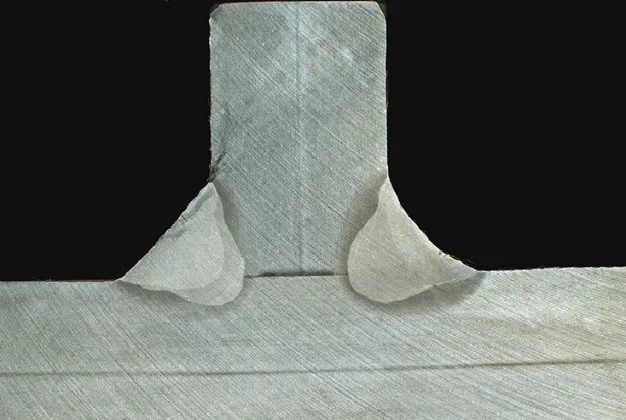
Weld seam close-up
Aces Process management team

Do you have questions?

Would you like to learn more about our certified solutions and discover how we can optimize your production processes? Get in touch with us for personal consultancy. Our experienced team is always at your service and will help you choose the ideal solution for your needs.

Contact Us

S.S.S

What is Polyurethane?

Look around you in the modern world; from the sofa you sit on to your home’s insulation, and from the soles of your shoes to your car's steering wheel, you will find an invisible hero: Polyurethane. It is not a single substance, but a synthetic polymer formed through the controlled reaction of two primary components. In the industry, you will typically hear these referred to as "Component A" and "Component B":

  1. Polyol (Component A): The component that provides flexibility and softness to the mixture, carrying free hydroxyl (OH) groups within its structure.

  2. Isocyanate (Component B): The component that, when combined with polyol, triggers an exothermic (heat-releasing) reaction, causing the material to harden.

When these two substances combine, "carbamate linkages" are formed at the molecular level. The secret behind polyurethane's ability to transform from a rock-hard panel into a sponge as soft as cotton lies within this bond structure.

What is Polyurethane Foam?

Polyurethane foam is a porous material created when liquid polyol and isocyanate components react in the presence of a blowing agent, expanding to many times their original volume. The thousands of tiny air bubbles (cells) formed during this process make the foam both lightweight and insulating.

Not all foams are created equal. Based on their intended use, foams are divided into two main categories:

  • Open-Cell Foams: In these, the cells are interconnected, allowing air and moisture to pass through. They are lighter and are predominantly used today in furniture cushions and sound insulation.

  • Closed-Cell Foams: The cells are completely sealed and trap specialized insulating gases inside. They are waterproof and possess the highest thermal insulation values on the market. They are an indispensable solution for construction and cold storage facilities.

What is Polyurethane Coating?

From floors to roofs, and from metal surfaces to exterior facades, the primary professional solution for protection is Polyurethane Coating. This technology combines durability with aesthetics, extending the lifespan of surfaces while simultaneously providing waterproofing and chemical resistance.

Who Discovered Polyurethane?

It was first synthesized in 1937 by Otto Bayer, who produced it through the reaction of diisocyanate with diol.

Why was Polyurethane Developed?

Polyol + Isocyanate + Catalyst + Blowing Agent $\rightarrow$ Polyurethane Foam

Polyol provides flexibility, Isocyanate builds the structural skeleton, the catalyst accelerates the process, and the blowing agent adds volume. When these four components are combined in the correct proportions, they create the polyurethane we use to solve countless problems today.

What are the Advantages of Polyurethane?

  • High Thermal Insulation: Thanks to its closed-cell structure, it has the lowest thermal conductivity coefficient on the market, providing up to 50% savings on energy bills.

  • Lightweight and Structural Strength: Despite its very low density, it can support high loads. This feature adds durability to buildings and vehicles without adding significant weight.

  • High Flexibility: It exhibits elasticity against impacts or stress and returns to its original form once the pressure is removed; this makes it unique for the furniture and footwear industries.

  • Chemical and Biological Resistance: It is highly resistant to oils, solvents, mold, and bacteria. Consequently, it is used safely in both industrial flooring and medical fields requiring hygiene.

  • Seamless Water and Moisture Insulation: Especially in coating and spray forms, it creates a seamless (jointless) layer on the applied surface, completely preventing water leaks and dampness.

  • Long-lasting and Economical: Highly resistant to wear and corrosion, it maintains its form for years without maintenance, reducing investment costs in the long run.

  • Design Freedom: Since it can be applied as a liquid, it can take the shape of even the most complex molds, offering limitless design possibilities from automotive to giftware.

How is polyurethane produced?


Polyurethane is produced in chemical plants where isocyanate and polyol components are mixed in high-pressure machines and poured into molds or lines. Aces Process specializes in turnkey plant installations for these complex production processes, from reactors to dosing systems. With our engineering expertise, we implement world-class, customized polyurethane production lines that deliver maximum efficiency and precision.

Translated with DeepL.com (free version)

In this article, we accompanied the revolutionary journey of polyurethane—the invisible architect of the modern world—from its start in Otto Bayer's laboratory in 1937 to its presence today in everything from our roofs to our shoe soles.


Explore the world of polyurethane and its diverse applications!


Writer:

Professor Doctor Mustafa Yaşar

Industrial Design Engineer

[email protected]

Google Scholar

What is a Batch Reactor?

Batch reactors are a type of chemical reactor where raw materials are added to a vessel, the chemical reaction takes place, and then the products are removed.  Unlike continuous reactors, which have a constant flow of reactants and products, batch reactors operate in a sequence of steps.  They are often used when a process requires precise control over reaction conditions or when producing smaller quantities of a product.   

Advantages of Batch Reactors:

  • Flexibility: They can be used for a wide variety of chemical reactions and processes.   

  • Easy Control: Reaction time and temperature can be easily controlled and adjusted.

  • High Yield: Can achieve high yields for certain reactions, especially those that require specific conditions or longer reaction times.

  • Lower Cost: Relatively simple design leads to lower setup and operating costs compared to continuous reactors.

Disadvantages of Batch Reactors:

  • Lower Production Capacity: They have a lower production capacity compared to continuous reactors, making them less suitable for large-scale production.   

  • Downtime: Require downtime between batches for cleaning, filling, and emptying the reactor, which can reduce overall productivity.   

Applications of Batch Reactors:

  • Pharmaceutical production: Used to produce various medicines and pharmaceutical products.   

  • Chemical production: Used in the manufacturing of paints, plastics, fertilizers, and other chemicals.

  • Food processing: Used for food preservation and processing, such as fermentation and pasteurization.

  • Research and development: Essential for developing new chemical reactions and products in a controlled environment.

Learn More About Reactors:

Get more information about our Reactors


Writer:

Professor Doctor Mustafa Yaşar

Industrial Design Engineer

[email protected]

Google Scholar

What is Argon (GWAT) Welding?

Argon welding, also known as Gas Tungsten Arc Welding (GWAT), is one of the most precise and refined welding techniques in the world of metalworking. This method allows for the creation of flawless and robust connections through the combination of a tungsten electrode and argon gas.   


Argon welding is a welding process that utilizes a non-consumable tungsten electrode to produce the weld. The process is shielded by an inert gas, typically argon, to protect the weld area from atmospheric contamination. During the welding process, the tungsten electrode, which has a high melting point, generates heat to melt the base materials being joined.The argon gas shields the weld pool and the electrode from oxidation, resulting in a high-quality weld with minimal distortion.   


Advantages of GWAT Argon Welding:

  • High-Quality Welds: GWAT welding produces cleaner welds with minimal spatter and slag compared to other welding methods, resulting in a smoother and more aesthetically pleasing weld bead.   

  • Precise Control: GWAT welding offers precise control over the welding current and argon gas flow, making it ideal for welding various materials and thicknesses.   

  • Wide Range of Applications: GWAT welding can be used on a variety of metals, including aluminum, stainless steel, carbon steel, magnesium, and copper.   

  • Aesthetic Appearance: GWAT welds have a more aesthetically pleasing and smoother appearance compared to other welding methods.

Disadvantages of TIG Argon Welding:

  • Slower Process: GWAT welding is generally slower compared to other welding methods, which can impact productivity in high-volume applications.   

  • Requires Expertise: GWAT welding requires skilled and experienced welders to achieve high-quality results.   

  • Higher Equipment and Material Costs: The equipment and materials used in GWAT welding can be more expensive than those used in other welding processes.   

Applications of GWAT Argon Welding:

  • Aerospace and Aviation Industry: Ideal for precise and high-strength welds required in aircraft and spacecraft components.   

  • Automotive Industry: Used for welding stainless steel and aluminum in automotive manufacturing.

  • Shipbuilding: Used to create watertight and robust connections in ship structures.

  • Medical Devices: Used for precise and sterile welds in medical device manufacturing.   

  • Machine Manufacturing: Enables the fabrication of durable and strong machines.

Learn more about our welding methods on this page!


Writer:

Professor Doctor Mustafa Yaşar

Industrial Design Engineer

[email protected]

Google Scholar

What is a Shell and Tube Heat Exchanger?

Shell and tube heat exchangers are essential components in many industrial processes, enabling efficient heat transfer between two fluids without direct contact or mixing. These exchangers consist of a bundle of tubes enclosed within a larger shell. One fluid flows through the tubes (the tube side), while the other fluid flows around the tubes within the shell (the shell side). Heat is transferred from the hotter fluid to the colder fluid through the tube walls.

Designed to handle fluids with significant pressure differences, shell and tube heat exchangers are commonly used in liquid-liquid and phase-change applications. They are widely employed in various industries, including:

  • Oil refineries

  • Chemical processing plants

  • Power generation

  • HVAC systems

  • Food and beverage processing

The heat transfer typically occurs from the tubes to the shell-side fluid. This method is highly effective for waste heat recovery and optimizing energy efficiency. Shell and tube heat exchangers play a vital role in reducing energy costs and improving efficiency in industrial facilities.

Working Principle of a Shell and Tube Heat Exchanger:

The heat transfer process in a shell and tube heat exchanger relies on three fundamental principles:

  • Thermodynamics: Heat naturally flows from a region of higher temperature to a region of lower temperature.

  • Heat Transfer: Heat is transferred through the tube walls, conducting from the hotter fluid to the colder fluid.

  • Convection: The movement of the fluids within the tubes and shell enhances heat transfer through convection.

Applications of Shell and Tube Heat Exchangers:

  • Power Generation: Heating steam to drive turbines in thermal power plants.

  • Chemical Industry: Heating and cooling fluids in various chemical reactions and processes.

  • Food Industry: Pasteurizing and sterilizing food products.

  • HVAC Systems: Heating and cooling air or water in buildings.

  • Aerospace: Cooling fluids in aircraft engines.

Advantages of Shell and Tube Heat Exchangers:

  • High Efficiency: Provides highly efficient heat transfer between fluids.

  • Versatility: Suitable for a wide range of fluids and temperatures.

  • Durability: Robust construction ensures long service life.

  • Easy Maintenance: Relatively easy to maintain and clean compared to some other heat exchanger types.

Disadvantages of Shell and Tube Heat Exchangers:

  • Fouling Potential: Tubes can become fouled or clogged over time, reducing efficiency. Regular cleaning and maintenance are required.

  • Higher Cost: Can be more expensive than some other heat exchanger types, especially for complex designs or specialized materials.

  • Complex Design: The design and installation can be complex, requiring specialized engineering expertise.


Writer:

Professor Doctor Mustafa Yaşar

Industrial Design Engineer

[email protected]

Google Scholar

The Laws of Thermodynamics: Fundamental Principles Governing Energy and Entropy

The laws of thermodynamics are a set of fundamental principles that underpin our understanding of how energy behaves in the universe. They are essential concepts in physics, chemistry, and engineering, providing a framework for analyzing and predicting the behavior of systems involving heat and work.

Here's a breakdown of the core laws of thermodynamics:

1. The Zeroth Law of Thermodynamics:

This law establishes the concept of thermal equilibrium. It states that if two systems are each in thermal equilibrium with a third system, they are also in thermal equilibrium with each other. This principle allows us to define temperature and use thermometers to measure it.   


2. The First Law of Thermodynamics:

This law, also known as the law of conservation of energy, states that energy cannot be created or destroyed, only transferred or converted from one form to another. In a thermodynamic system, the change in internal energy is equal to the heat added to the system minus the work done by the system.   


3. The Second Law of Thermodynamics:

This law introduces the concept of entropy, a measure of disorder or randomness in a system. It states that the total entropy of an isolated system can only increase over time or remain constant in ideal cases where the system is in a steady state or undergoing a reversible process. This law explains why heat flows spontaneously from hotter to colder objects and why it's impossible to create a perfectly efficient heat engine.   


4. The Third Law of Thermodynamics:

This law states that the entropy of a system approaches a constant value as its temperature approaches absolute zero. This constant value is typically zero for a perfect crystalline substance. The third law provides a baseline for measuring entropy and helps us understand the behavior of materials at extremely low temperatures.

Applications in Industry and Research:

The laws of thermodynamics have profound implications for various fields, including:

  • Energy production: Designing efficient power plants and engines.

  • Chemical engineering: Optimizing chemical reactions and processes.

  • Material science: Understanding the behavior of materials at different temperatures and pressures.

  • Environmental science: Analyzing energy flow in ecosystems and the impact of human activities on the environment.

  • Cosmology: Studying the evolution of the universe and the formation of stars and galaxies.

Discover our Shell and Tube Heat Exchangers that deliver outstanding thermodynamic performance!


Writer:

Professor Doctor Mustafa Yaşar

Industrial Design Engineer

[email protected]

Google Scholar

What is a Chemical Storage Matrix?

A chemical storage matrix is a vital tool for ensuring the safe and compatible storage of chemicals. By systematically evaluating the hazard levels and potential interactions of different chemicals, these matrices help minimize risks and prevent accidents.

Key Features of a Chemical Storage Matrix:

  • Comprehensive Information: Provides a detailed database with information on hazard classifications, physical and chemical properties, and reactivity of various chemicals.

  • Compatibility Assessment: Analyzes the compatibility of chemicals to be stored together, identifying potential risks of mixing or reactions.

  • Safe Storage Conditions: Defines appropriate storage conditions (temperature, humidity, ventilation, etc.) and suitable container types for each chemical.

  • Emergency Procedures: Outlines detailed procedures and first aid information for fires, spills, or other emergencies.

Applications of a Chemical Storage Matrix:

  • Chemical Industry: Ensures the safe storage of raw materials and finished chemicals.

  • Pharmaceutical Industry: Guarantees compatibility and stability in the storage of active ingredients and medications.

  • Petrochemical Industry: Minimizes risks in the storage of refined products and petrochemicals.

  • Mining and Metallurgy: Enhances safety in the storage of hazardous chemicals and byproducts.

  • Laboratories: Enables the safe and compatible storage of chemicals used in experiments.

  • Storage Facilities: Prevents risks and compatibility issues associated with storing different chemicals together.

Benefits of Using a Chemical Storage Matrix:

  • Enhances Workplace Safety: Creates a safer work environment by preventing potential accidents and injuries.

  • Prevents Environmental Pollution: Protects the environment by preventing chemical leaks and spills.

  • Reduces Fire and Explosion Risks: Minimizes fire and explosion risks through proper storage conditions and procedures.

  • Lowers Costs: Helps avoid costs associated with accidents and environmental damage.

  • Increases Efficiency and Productivity: Improves efficiency and productivity by ensuring a safe working environment.

Creating a Chemical Storage Matrix:

  • Chemical Hazard Classification: Determine hazard classifications and reactivity of chemicals using Safety Data Sheets (SDS) and other reliable sources.

  • Compatibility Assessment: Analyze the potential for different chemicals to mix or react with each other.

  • Determining Storage Conditions: Define the optimal storage temperature, humidity, ventilation, and other conditions for each chemical.

  • Developing Emergency Procedures: Prepare detailed procedures and first aid information for various emergencies, including fires, leaks, and spills.

Effective Use of a Chemical Storage Matrix:

  • Keep the Matrix Updated: Regularly update the matrix with information on new chemicals and ensure existing information is current.

  • Train Personnel: Provide comprehensive training to personnel on how to use the chemical storage matrix and follow emergency procedures.

  • Conduct Regular Inspections: Regularly inspect stored chemicals and storage conditions to ensure compliance with the matrix.

Redefining Chemical Safety with Our Stainless Steel Tanks!


Writer:

Professor Doctor Mustafa Yaşar

Industrial Design Engineer

[email protected]

Google Scholar

What is a Homogeneous Mixture?

Homogeneous mixtures are those where the components are uniformly distributed, making them indistinguishable to the naked eye or even with optical instruments. They appear as a single, uniform phase. In such mixtures, every point has the same properties and composition, and the dispersed substances have the same concentration throughout the mixture.   

Characteristics of Homogeneous Mixtures:

  • Uniform composition and density: Any sample taken from the mixture will have the same composition and density.   

  • Invisible components: Individual components cannot be seen with the naked eye or optical instruments.

  • Single-phase appearance: The mixture appears as a single, uniform phase.   

  • Often referred to as solutions: Homogeneous mixtures are commonly called solutions.   

  • Separable by specific methods: Homogeneous mixtures can be separated using techniques like filtration, centrifugation, or evaporation.

Examples of Homogeneous Mixtures:

  • Saltwater

  • Sugar water   

  • Air

  • Alcohol

  • Vinegar

  • Metal alloys

  • Glass

Industrial Applications of Homogeneous Mixtures:

  • Food Industry: Homogeneous mixtures ensure uniform texture and extended shelf life in food products. Examples include fruit juices, sauces, mayonnaise, and ice cream.

  • Pharmaceutical Industry: Homogeneous mixtures are crucial for the safe and effective production of medicines, ensuring the even distribution of active ingredients for the desired therapeutic effect.

  • Chemical Industry: Homogeneous mixtures are used in the production and processing of various chemical products and raw materials, such as paints, varnishes, detergents, and fertilizers.

  • Cosmetic Industry: Homogeneous mixtures ensure uniform texture and easy absorption in cosmetic products like creams, lotions, foundations, and masks.   

  • Mining Industry: Homogeneous mixtures are used to separate valuable metals and minerals from ores, such as in the flotation method.

Types of Homogeneous Mixtures by Size:

  • True solutions: Particle size of components is less than 1 nanometer (nm), e.g., saltwater, sugar water.

  • Colloids: Particle size of components is between 1 nm and 1000 nm, e.g., fog, smoke.   

  • Suspensions: Particle size of components is greater than 1000 nm, e.g., muddy water, flour in water.   

Types of Homogeneous Mixtures by Concentration:

  • Dilute solutions: Low concentration of solute, e.g., lemonade.   

  • Concentrated solutions: High concentration of solute, e.g., seawater.   

Separation of Homogeneous Mixtures:

  • Filtration: Used to separate solid and liquid phases.   

  • Centrifugation: Used to separate liquid phases with different densities.   

  • Evaporation: Used to separate a liquid phase from a solid phase.

Discover Our Industrial Mixers that Deliver Exceptional Performance in Homogeneous Mixtures!


Writer:

Professor Doctor Mustafa Yaşar

Industrial Design Engineer

[email protected]

Google Scholar

The Importance of Fluid Mechanics in the Chemical Industry

Fluid mechanics plays a critical role in the chemical industry. Many chemical processes are closely related to the movement and behavior of liquids and gases (fluids). Understanding and effectively applying the principles of fluid mechanics is vital for the design, optimization, and control of chemical processes.   

What is Fluid Mechanics?

Fluid mechanics is a sub-discipline of engineering and physics that studies the behavior of fluids (liquids and gases) at rest and in motion. This discipline deals with the fundamental principles of fluids, such as momentum, energy, and mass transfer, contributing to the solution of various engineering problems and technological advancements.   

Applications of Fluid Mechanics in the Chemical Industry:

Fluid mechanics has diverse applications within the chemical industry, including:

  • Optimizing chemical reactions

  • Efficient use of pipelines   

  • Design and selection of pumps and mixers

  • Effective execution of separation processes

  • Advancements in reaction engineering

  • Development of chemical reactors

Benefits of Fluid Mechanics in the Chemical Industry:

In addition to these applications, fluid mechanics provides significant benefits to the chemical industry:

  • Increased efficiency

  • Energy conservation

  • Improved product quality

  • Enhanced safety standards

Challenges of Fluid Mechanics in the Chemical Industry:

However, there are also challenges associated with applying fluid mechanics in the chemical industry:

  • Modeling complex chemical reactions

  • Analyzing multiphase flows

  • Operating under high temperatures and pressures

Future of Fluid Mechanics in the Chemical Industry:

In the future, it is anticipated that advancements in fluid mechanics, such as increased use of computational fluid dynamics and advanced simulation tools, will continue. This will lead to a better understanding and optimization of chemical processes.   

Need help with reactor design or process optimization? Aces Process can help. Contact us for a consultation


Writer:

Professor Doctor Mustafa Yaşar

Industrial Design Engineer

[email protected]

Google Scholar

What are Food Processing Machines?

Food processing machines are the backbone of the modern food industry, transforming raw ingredients into the delicious and nutritious foods we consume. From washing and peeling to cutting and packaging, these machines play a crucial role in every step of food production. In this article, we'll explore the world of food processing machines, examine different types, and discuss essential factors to consider when choosing the right equipment for your needs.   

Types of Food Processing Machines:

  • Cutting and chopping machines: Used to cut and chop vegetables, fruits, meat, and other food materials into various sizes and shapes.   

  • Mixers: Used to prepare dough, sauces, batters, and other mixtures, ensuring consistent blending and incorporation of ingredients.   

  • Grinders: Used to grind grains, spices, coffee beans, and other products into finer particles.   

  • Cooking machines: Ovens, stoves, and steam cookers are used for cooking, baking, and processing various foods.   

  • Cooling and freezing machines: Refrigeration and freezing equipment preserve food quality and extend shelf life.  

  • Packaging machines: Used to package food products, including vacuum packaging machines, filling machines, and labeling machines.   

  • Canning machines: Used to preserve food in cans for long-term storage.

  • Meat processing machines: Grinders, slicers, and other specialized equipment for processing and preparing meat products.   

  • Pasteurization machines: Used to pasteurize milk, juice, and other liquids to eliminate harmful bacteria.   

  • Separation and cleaning machines: Used to sort, clean, and remove foreign materials from food products.   

  • Cooling tunnels: Rapidly cool cooked foods to extend shelf life and maintain quality.   

  • Filling machines: Hygienically fill bottles, cans, or bags with liquid or solid food products.   

  • Sealing machines: Securely seal packages to protect food from spoilage and contamination.   

  • Labeling machines: Apply labels to products, providing essential information to consumers.   

Choosing the Right Food Processing Machine:

Selecting the appropriate food processing machine requires careful consideration of several factors:

  • Functionality: Clearly define the specific tasks and processes the machine needs to perform.

  • Capacity: Choose a machine with the production capacity to meet your operational needs.

  • Cost: Evaluate the machine's price and consider the most cost-effective option within your budget.

  • Safety: Ensure the machine operates safely and complies with all relevant safety standards.   

  • Hygiene: Prioritize hygienic design and easy cleaning to maintain food safety standards.

Learn More:

To learn more about food processing machines and explore our comprehensive solutions, visit our Food Production Facilities service page.


Writer:

Professor Doctor Mustafa Yaşar

Industrial Design Engineer

[email protected]

Google Scholar

Pressure Equipment Directive (PED) 2014/68/EU

The Pressure Equipment Directive (PED) 2014/68/EU is a set of regulations governing the design, manufacturing, and conformity assessment of pressure equipment and assemblies. This directive applies to pressure equipment with a maximum allowable pressure (PS) greater than 0.5 bar.

The PED aims to ensure the safety and compliance of equipment operating under pressure. It outlines a series of technical standards and procedures covering all aspects of the process, including:

  • Design: Materials, calculations, and safety considerations.

  • Manufacturing: Production processes, quality control, and welding procedures.

  • Assembly: Correct assembly of components and systems.

  • Testing: Hydrostatic testing, non-destructive testing, and other verification methods.

  • Certification: Conformity assessment procedures and documentation.

The directive also addresses the in-service use of pressure equipment, emphasizing the importance of:

  • Periodic inspections: Regular inspections to ensure ongoing safety and integrity.

  • Safety requirements: Meeting essential safety requirements throughout the equipment's lifecycle.

  • Conformity declaration: Issuing a declaration of conformity to demonstrate compliance with the PED.

Pressure Equipment Directive: Enhancing Safety and Compliance

The Pressure Equipment Directive aims to improve safety standards and minimize potential risks in industrial facilities. By ensuring the safety and compliance of pressure equipment, the PED protects both workers and the environment.

Key Elements of the Directive:

  • Scope: The directive covers a wide range of pressure equipment, including steam and gas boilers, air compressors, refrigeration systems, and LPG cylinders.

  • Safety: The primary goal of the PED is to prioritize human and environmental safety in the design, production, installation, inspection, and periodic testing of pressure equipment.

  • Compliance: Compliance with the PED is a legal requirement for all manufacturers, suppliers, and users of pressure equipment.

Key Updates Introduced by the Directive:

  • Risk-Based Approach: The directive classifies pressure equipment based on risk levels, requiring different inspection and testing procedures accordingly.

  • Accreditation and Surveillance: The PED mandates that manufacturing and inspection activities be carried out by accredited bodies, introducing a stricter surveillance mechanism.

  • Technical Standards: The directive specifies updated technical standards for the design, production, and inspection of pressure equipment.

Impact on the Industry:

  • Enhanced Safety: The new regulations introduced by the directive will be a significant step towards preventing accidents related to pressure equipment and improving overall safety.

  • Increased Efficiency: The risk-based approach and accreditation system will lead to a more efficient and streamlined workflow in the industry.

  • Compliance Costs: Manufacturers and users will need to make certain investments and review additional costs to comply with the directive.

Conclusion

The Pressure Equipment Directive (PED) 2014/68/EU is driving significant change and transformation in the industry. The updates introduced by the directive will reduce risks associated with pressure equipment, enhance safety and efficiency, and contribute to the industry's compliance with international standards by aligning with European Union regulations.

For more information on the directive.


Writer:

Professor Doctor Mustafa Yaşar

Industrial Design Engineer

[email protected]

Google Scholar

​​​​​​

What is a Continuous Reactor?

Continuous reactors are closed systems where chemical and biological reactions occur seamlessly. Raw materials are continuously fed into the reactor, and products are continuously discharged, ensuring an uninterrupted production flow. These systems maximize efficiency in chemical production while minimizing waste generation. Their ability to operate for extended periods without interruption makes them a marvel of engineering.

How Continuous Reactors Work:

  • Flow of Raw Materials: The reactor is continuously and precisely fed with raw materials.

  • Reaction: Chemical or biological reactions occur flawlessly within the reactor's specialized environment.

  • Discharge of Final Products: After the reactions are complete, the products are continuously discharged from the reactor.

  • Cycle: This seamless cycle continues without stopping, ensuring uninterrupted production.

Advantages of Continuous Reactors:

  • Efficiency: Optimal performance with full capacity utilization, minimal waste output, and maximum production.

  • Control: Reaction conditions are precisely controlled, ensuring consistently high product quality.

  • Production Performance: The reactors operate continuously, minimizing downtime and ensuring an uninterrupted production flow.

Disadvantages of Continuous Reactors:

  • Higher Setup Costs: The initial investment for continuous reactors is typically higher than for batch reactors.

  • Complex Operation: Flawless operation requires a complex design and meticulous management.

  • Limited Flexibility: Continuous reactors are not easily adaptable for producing different products; they are typically customized for a specific product.

Applications of Continuous Reactors:

  • Chemical Production: Used in the production of resins, fertilizers, plastics, and many other chemical products.

  • Refineries: Used to convert crude oil into gasoline, diesel, and other petroleum products.

  • Food Processing: Used for processing fruit juices, dairy products, and other food items.

  • Pharmaceutical Production: Used in the synthesis and production of pharmaceutical raw materials.

  • Biotechnology: Used in the production of enzymes and other biotechnological products.

Conclusion:

Continuous reactors have revolutionized chemical production, showcasing engineering ingenuity and innovation. They offer numerous advantages and specific applications. To understand the working principles and benefits of these systems, please contact us!


Writer:

Professor Doctor Mustafa Yaşar

Industrial Design Engineer

[email protected]

Google Scholar

How is Polyester Resin Produced?

Polyester resins are produced through the polyesterification reaction of multifunctional acids (dicarboxylic acids) and multifunctional alcohols (glycols). In this reaction, acid and alcohol molecules combine to form ester bonds, creating long-chain polymers.   

Production Process:

  1. Raw Material Preparation: Dicarboxylic acids and glycols are mixed in specific proportions.

  2. Condensation: The mixture is heated to high temperatures in the presence of a catalyst to remove water.

  3. Polymerization: After condensation, the resin is cooled, and the polymerization reaction continues until the desired viscosity is reached.

  4. Finishing: Additives and colorants can be added to the resin to achieve the desired final properties.   

What is Orthophthalic Polyester Resin?

Orthophthalic polyester resins are a versatile type of plastic with a wide range of applications, known for their chemical and mechanical properties. They are produced by reacting orthophthalic acids, such as maleic anhydride and phthalic anhydride, with glycols.  Orthophthalic polyester resins are the most commonly used type of polyester resin.   

Properties:

  • Readily available and economical

  • Good mechanical and chemical resistance

  • Resistant to water and many chemicals

  • High strength and hardness

  • Good processability

  • Wide range of applications

Applications:

  • Composite material production   

  • Boat and shipbuilding   

  • Automotive and aerospace industries   

  • Electrical and electronics sectors

  • Construction and building materials

  • Coatings and paints industry   

Summary:

Polyester resins are an important type of plastic with versatile properties and a wide range of applications. Orthophthalic polyester resins are the most commonly used type due to their easy accessibility, affordability, and good mechanical and chemical resistance.   

Contact us for Polyester Production Plant Installation and Consultancy Services!


Writer:

Professor Doctor Mustafa Yaşar

Industrial Design Engineer

[email protected]

Google Scholar

What are the Types of Plasticizers?

Plasticizers play a vital role in plastics manufacturing, enhancing their flexibility, processability, and durability. There are many different types of plasticizers, including phthalates, phosphates, trimellitates, glycerol esters, and sebacates.

Types of Plasticizers:

  • Phthalates: The most common type of plasticizer, widely used in PVC applications. (Phthalate plasticizer, PVC plasticizer)

  • Phosphates: Plasticizers with flame-retardant properties commonly used in vinyl flooring and cable sheathing. (Phosphate plasticizer, flame retardant plasticizer)

  • Trimellitates: High-performance plasticizers that are more expensive than phthalates and phosphates, often used in automotive parts and electronic devices. (Trimellitate plasticizer, high-performance plasticizer)

  • Glycerol Esters: Biodegradable plasticizers that can be used in food and pharmaceutical applications. (Glycerol ester plasticizer, biodegradable plasticizer)

  • Sebacates: High-performance plasticizers that offer a safer alternative to phthalates, commonly used in children's toys and medical devices. (Sebacate plasticizer, phthalate-free plasticizer)

Choosing the Right Plasticizer:

  • Plastic type: Different plasticizers are compatible with different types of plastics.

  • Application: The choice of plasticizer depends on the intended use of the plastic.

  • Performance requirements: Consider the desired flexibility, processability, and durability that the plasticizer should impart to the plastic.

  • Regulations: Some types of plasticizers are not approved for use in food or medical applications.

Plasticizers significantly enhance the performance and functionality of plastics. Different types of plasticizers offer various properties and advantages. Choosing the right plasticizer depends on the specific application and performance requirements.

Contact us for Plasticizer Production Plant Installation and Consultancy Services!


Writer:

Professor Doctor Mustafa Yaşar

Industrial Design Engineer

[email protected]

Google Scholar

What are Industrial-Type Blenders?

Industrial blenders are robust and powerful industrial mixers used to efficiently mix, homogenize, grind, or blend large quantities of materials at high speeds.

Industrial Blenders:

  • Known for their large-capacity tanks and powerful motors.

  • Offer a variety of blade options for different purposes (e.g., grinding, mixing, homogenizing).

  • Feature adjustable speed and timer settings.

  • Stainless steel body and blades ensure durability and hygienic use.

  • Designed for easy cleaning.

Click to Watch Our Mixer Performance Tests! 

Industrial-Type Blenders:

  • Share similar features with industrial blenders but may offer more specialized and customizable functions.

  • Can be designed and customized for a specific product or application.

  • Often preferred for higher power, capacity, or more complex mixing processes.

Applications of Industrial Blenders:

  • Food processing

  • Pharmaceutical and cosmetic production

  • Chemical industry

  • Plastic and paint manufacturing

  • Mining

  • Recycling

Choosing Between Industrial Blenders and Industrial-Type Blenders:

  • Consider factors such as capacity, motor power, blade options, speed and timer settings, and body and blade material based on your application and needs.

  • Evaluate additional features like ease of cleaning and safety features.

  • Ultimately, the right blender choice depends on the intended use and specific requirements.

Aces Process offers a wide range of both types of blenders, providing solutions suitable for various industrial applications.

Customized Solutions for Your Industrial Mixer Needs!


Writer:

Professor Doctor Mustafa Yaşar

Industrial Design Engineer

[email protected]

Google Scholar

What is an Evaporator and How is it Manufactured?

An evaporator is a device that concentrates a liquid by increasing its concentration. This process is typically achieved by heating the liquid and reducing the pressure, causing evaporation. Evaporators are used in various industries, such as food, chemical, pharmaceutical, and petrochemical, for processes like concentration, purification, and separation of products.

How an Evaporator Works:

  1. The liquid is fed into the evaporator.

  2. A heat source (steam, electricity, or hot water) is used to heat the liquid.

  3. The liquid starts to evaporate as it is heated.

  4. The generated vapor is collected from the top of the evaporator.

  5. The vapor is cooled and condensed back into liquid form in a condenser.

  6. The concentrated liquid is collected as the final product.

Evaporator Manufacturing

Evaporator manufacturing involves the design and production of systems that concentrate high-viscosity liquid solutions by evaporating them through heat transfer, resulting in a denser and more concentrated product. Materials such as stainless steel, carbon steel, and titanium are often preferred in the manufacturing of evaporators.

Key Considerations in Evaporator Manufacturing:

  • The evaporator design should be suitable for the specific industry and process in which it will be used.

  • Materials used in construction should be corrosion-resistant to ensure longevity and prevent contamination.

  • The evaporator should be designed for easy cleaning and maintenance to ensure hygiene and efficiency.

Factors to Consider When Choosing an Evaporator:

  • Capacity: The evaporator's capacity should match the volume of liquid to be processed.

  • Operating temperature and pressure: These parameters should be suitable for the specific application.

  • Material properties: The materials used should be compatible with the processed liquids and operating conditions.

Choosing the right evaporator ensures an efficient and safe process.

Aces Process Manufactures Thin Film Evaporators!


Writer:

Professor Doctor Mustafa Yaşar

Industrial Design Engineer

[email protected]

Google Scholar

What is a Mixing Tank?

Mixing tanks (or agitated tanks) are vessels designed for the homogeneous mixing of liquids or solids. They are widely used in industrial processes across various sectors, including chemical, food, pharmaceutical, cosmetic, and water treatment industries.   

Here's more information about mixing tanks:

Applications:

Mixing tanks are utilized in a wide range of industries, including:

  • Chemical industry: Mixing and blending chemicals, reagents, and solutions.   

  • Pharmaceutical industry: Mixing pharmaceutical ingredients and formulations.   

  • Food production: Mixing ingredients for food products, such as sauces, beverages, and dough.

  • Paint and chemical production: Mixing paints, coatings, and other chemical products.

  • Water treatment: Mixing and blending chemicals for water treatment processes.   

Working Principle:

A mixer or agitator inside the tank rotates, creating a flow pattern that blends the materials until a homogeneous mixture is achieved.   

Materials:

Mixing tanks are typically constructed from various steel materials, such as:

  • AISI304 stainless steel

  • AISI316 stainless steel

  • ST37 carbon steel

The choice of material depends on the substances being mixed, the application, and the required corrosion resistance.

Advantages of Mixing Tanks:

  • Homogeneous mixing: Ensures uniform blending of materials, crucial for consistent product quality and efficient chemical reactions.   

  • Process control: Facilitates precise control over the mixing process, including speed, temperature, and mixing time.   

  • Material optimization: Helps optimize the use of materials by ensuring thorough mixing and preventing settling or stratification.

Types of Mixing Tanks:

Mixing tanks come in various configurations based on the type of mixer and tank shape:   


  • Mixer types: Propeller type, anchor type, turbine type, etc.   

  • Tank shapes: Cylindrical, conical bottom, etc.

The choice of mixer and tank type depends on the specific application and the characteristics of the materials being mixed.

In summary, mixing tanks are essential equipment for achieving homogeneous mixtures in various industrial applications.   

Discover More.​​​​​​


Writer:

Professor Doctor Mustafa Yaşar

Industrial Design Engineer

[email protected]

Google Scholar

How is Mineral Oil Produced?

1. What Is Mineral Oil? — Definition and Significance

2. From Crude Oil to Base Oil: The Refining Process

3. API Base Oil Groups — Group I through Group V

4. Mineral Oil Production Steps — A Step-by-Step Guide

5. Key Equipment Used in Production

6. The Role and Types of Additives

7. Blending Technology

8. Quality Control and International Standards

9. Types of Mineral Oil and Their Applications

10. Environmental Impact and Sustainable Production

11. Used Oil Re-refining and Recycling

12. Frequently Asked Questions (FAQ)

13. Conclusion

What Is Mineral Oil?

Mineral oil is a petroleum-derived lubricant product obtained by subjecting crude oil to a series of refining processes including atmospheric distillation, vacuum distillation, hydrocracking, solvent refining, and dewaxing. It is used in engines, machinery, turbines, gearboxes, and hydraulic systems to reduce friction, dissipate heat, protect metal surfaces, and remove contaminants.

Global mineral oil consumption stands at approximately 40 billion litres per year, making it one of the most strategically significant refined petroleum products. Demand continues to grow alongside expansions in automotive, manufacturing, energy, and construction sectors worldwide.

Core Functions of Mineral Oil

  • Lubrication: Reduces the coefficient of friction between metal surfaces to prevent wear.

  • Cooling: Absorbs and carries away frictional heat from critical engine and machine components.

  • Cleaning: Disperses carbon deposits, soot, and sludge from pistons, cylinders, and gear surfaces.

  • Protection: Forms a protective film against oxidation, corrosion, and rust.

  • Sealing: Fills microscopic gaps between moving parts, reducing blow-by gas leakage.

  • Power Transmission: Transfers hydraulic pressure to actuate mechanical components.

2. From Crude Oil to Base Oil: The Refining Process

Mineral oil production begins with the refining of crude oil. The chemical composition of crude directly determines lubricant quality. Paraffinic crudes are preferred for lubricant base oil production because of their inherently high viscosity index (VI) and low pour point characteristics.

2.1 Atmospheric Distillation

Crude oil is first fed into an atmospheric distillation column, where it is heated to approximately 350–400°C and separated into fractions based on their boiling points: light fractions (LPG, naphtha), middle distillates (kerosene, gas oil), and heavy fractions (heavy fuel oil and lubricant precursors).

2.2 Vacuum Distillation

The heavy atmospheric residue is further processed under vacuum (~1–15 mmHg) to avoid thermal cracking at high temperatures. This produces vacuum gas oil (VGO) fractions, which serve as the primary feedstock for base oil production.

2.3 Solvent Refining (Group I Production)

VGO fractions are treated with selective solvents such as furfural or N-methylpyrrolidone (NMP) to extract aromatic hydrocarbons. This improves the viscosity index of the resulting raffinate, yielding Group I base oils.

2.4 Hydrocracking (Group II & III Production)

Under high pressure (70–200 bar) and temperature (300–450°C) conditions in the presence of hydrogen gas and bifunctional catalysts, feedstock molecules are restructured. Hydrocracking removes sulfur, nitrogen, and aromatic compounds, increases paraffinic content, and produces base oils with VI values above 120 (Group III).

2.5 Dewaxing

To lower the pour point of base oils, waxy n-paraffins must be removed or isomerized. Solvent dewaxing uses MEK or MIBK/toluene solvents to crystallize and filter out wax. Catalytic (isodewaxing) processes convert straight-chain paraffins into branched-chain isomers using zeolitic catalysts, simultaneously lowering the pour point while preserving the high VI.

3. API Base Oil Groups

The American Petroleum Institute (API) classifies base oils into five groups based on saturates content, sulfur content, and viscosity index:

4. Mineral Oil Production Steps 

Raw Material Receipt and Storage

Crude oil or finished base oil arrives by certified tanker or pipeline. Incoming quality control checks density (API gravity), sulfur content, viscosity, and water/salt content. Approved materials are stored in atmospheric steel tanks (floating or fixed roof).

Base Oil Procurement or Production

Large integrated refineries produce base oil in-house, while independent blending plants purchase API-certified Group I–V base oils from qualified suppliers. Each incoming batch requires a Certificate of Analysis confirming compliance with the agreed specification.

Additive Package Preparation

Additives are typically supplied as pre-formulated concentrate packages. For specialty formulations, individual chemical components are weighed to recipe by the formulation team. Solid or high-viscosity additives may require heating in pre-mix tanks before incorporation.

Blending

Blending is the core manufacturing step. Automated gravimetric or volumetric dosing systems feed base oil and additives in the calculated ratios into the blending vessel. Industrial agitators (propeller, agitator, or static mixer) ensure uniform distribution at controlled temperatures (typically 50–80°C) for full homogenization.

In-Process Quality Check

An intermediate sample is drawn for laboratory analysis after blending. Critical parameters include: kinematic viscosity (ASTM D445), viscosity index (ASTM D2270), pour point (ASTM D97), flash point (ASTM D92), Total Base Number (TBN — ASTM D2896), and Total Acid Number (TAN — ASTM D664).

Filtration

The blended product passes through multi-stage filtration systems (typically 1–25 µm pore size) to remove residual particles and trace moisture. High-specification products may require vacuum dehydration or coalescer filtration.

Final Quality Approval and Certification

The finished oil undergoes a full test suite against the target specification (API, SAE, ACEA, or OEM approval such as BMW Longlife, VW 504.00, Mercedes 229.5). Upon approval, a Certificate of Analysis (CoA) is issued.

Filling, Packaging and Dispatch

The finished product is filled into 1 L, 4 L, 20 L, or 208 L containers (or bulk IBC tanks) via automatic filling lines. Labels show product name, SAE viscosity grade, API service category, batch number, and production date. Bulk volumes are transferred directly to road or rail tankers.

5. Key Equipment Used in Production

  • Storage Tanks: Atmospheric steel tanks or pressure vessels for raw materials and finished products. Aces Process designs heated, insulated, fixed-roof and floating-roof tank solutions.

  • Vacuum Distillation Unit: Low-pressure column system to separate heavy fractions.

  • Hydrogenation Reactor: High-pressure/high-temperature reactors in stainless or chrome-moly steel.

  • Blending Vessels: Heated, insulated mixing tanks equipped with industrial agitators.

  • Additive Dosing Systems: Automated gravimetric or volumetric dosing with PLC control.

  • Heat Exchangers: Plate or shell-and-tube heat exchangers for process heating and cooling.

  • Filtration Units: Multi-stage filters to remove particles, moisture and contaminants.

  • Filling and Packaging Lines: Automated weighing, filling, capping and labeling units.

  • Laboratory Instruments: Viscometer, flash-point tester, spectrometer, Karl Fischer moisture analyzer.

6. The Role and Types of Additives

Modern lubricant additives contribute 15–30% of the final product's performance. Key additive categories are:

  • Antioxidants

    • Oksidasyon zincirlerini kırar, yağın bozulmasını geciktirir.

    • Örnek bileşikler: Hindered phenols, ZDDP

  • Detergents

    • Motor yüzeylerini temizler, asitleri nötralize eder.

    • Örnek bileşikler: Sulfonates, phenates

  • Dispersants

    • Kurum ve tortuların yağ içinde askıda kalmasını sağlar.

    • Örnek bileşikler: Succinimides

  • Anti-wear / EP (Extreme Pressure) Agents

    • Yüksek yük altında metal yüzeyleri korur.

    • Örnek bileşikler: ZDDP, molybdenum compounds

  • Viscosity Index Improvers

    • Sıcaklık aralığında viskoziteyi dengeler.

    • Örnek bileşikler: OCP, PMA, SBR

  • Pour Point Depressants

    • Düşük sıcaklıkta yağın akışkanlığını korur.

    • Örnek bileşikler: Polymethacrylate

  • Foam Inhibitors

    • Yüzey gerilimini azaltarak köpük oluşumunu önler.

    • Örnek bileşikler: Silicones, acrylate copolymers

  • Rust & Corrosion Inhibitors

    • Metal yüzeylerde koruyucu film oluşturur.

    • Örnek bileşikler: Benzotriazole, succinic acid derivatives

7. Blending Technology

Blending combines base oils and additives to achieve the target formulation. Two primary blending methods are used in industry:

7.1 Batch Blending

The most widely used approach. Specified volumes of base oil and additives are sequentially charged into a blending vessel and mixed for a defined period until homogeneous. Preferred in small- and medium-scale plants for its flexibility in handling diverse formulations.

7.2 Continuous (Inline) Blending

Components are simultaneously dosed into a pipeline-mounted static mixer. Suitable for large-scale production of fixed formulations with high throughput. Operates under PLC/SCADA automation for precise real-time control.

Critical Blending Parameters

  • Temperature control (50–80°C): Reduces viscosity and accelerates additive dissolution.

  • Mixing time: Ranges from 30 minutes to 4 hours depending on formulation and vessel size.

  • Agitator type and speed: Low-shear propellers for standard blending; high-shear mixers for emulsification.

  • Nitrogen blanket: Prevents air contact to minimize oxidation risk during blending.

8. Quality Control and International Standards

  • API (American Petroleum Institute): SN Plus, SP for passenger car motor oils; GL-4, GL-5 for gear oils.
  • ACEA (European Automobile Manufacturers' Association): A3/B4, C3, E9 and other European sequences.
  • SAE (Society of Automotive Engineers): Viscosity grading — SAE 5W-30, 10W-40, 80W-90, etc.
  • ISO (International Organization for Standardization): Industrial oil viscosity grades — ISO VG 46, ISO VG 68, etc.
  • OEM Approvals: VW 504.00/507.00, BMW Longlife-04, Mercedes-Benz 229.51, Ford WSS-M2C929-A.
  • NLGI (National Lubricating Grease Institute): Grease consistency classification (000 to 6).
  • NSF H1: Food-grade lubricants for incidental food contact applications.
  • ISO 9001:2015: Quality management system certification.
  • ISO 14001:2015: Environmental management system certification.


9. Types of Mineral Oil and Their Applications

9.1 Automotive Lubricants

  • Engine Oils (SAE 0W-20, 5W-30, 10W-40): Protect internal combustion engine components in petrol, diesel, and hybrid vehicles.

  • Gear Oils (GL-4, GL-5): Lubricate manual and automatic transmission gears.

  • Power Steering Fluids: Transmit hydraulic pressure in assisted steering systems.

  • Brake Fluids (DOT 3/4/5): Hydraulic actuation of braking systems.

  • Greases (NLGI 2): Wheel bearings, chassis, and suspension components.

9.2 Industrial Lubricants

  • Hydraulic Oils (ISO VG 32, 46, 68): Construction machinery, presses, and hydraulic cylinders.

  • Turbine Oils: Bearing and gear systems in steam and gas turbines.

  • Compressor Oils: Reciprocating and rotary screw air compressors.

  • Metalworking Fluids: Cutting, turning, milling, grinding, and drawing operations.

  • Heat Treatment Oils: Quenching, tempering, and annealing processes.

  • Gear and Slideway Oils (ISO VG 220, 320): Heavy industrial gearboxes and machine slideways.

  • Transformer Oils: Insulation and cooling in electrical power transformers.

  • Food-Grade Oils (NSF H1): White mineral oils for equipment with incidental food contact.

10. Environmental Impact and Sustainable Production

While mineral oil production carries inherent environmental risks, modern plant design and management systems substantially mitigate these impacts.

  • VOC Emissions: Vapour Recovery Units (VRU) and closed-loop blending systems capture volatile organic compounds released during blending and filling.

  • Wastewater Management: Oil-water separators and biological treatment systems remove hydrocarbon residues before discharge; treated water is recycled where possible.

  • Soil Contamination: Double-walled tank construction and impermeable bund walls prevent ground contamination from spills.

  • Carbon Footprint: Waste heat recovery via process heat exchangers reduces energy consumption by 15–25%.

  • Packaging Waste: Recyclable HDPE and steel containers are prioritised; bulk delivery reduces per-unit packaging waste.


11. Used Oil Re-refining and Recycling

Used mineral oils, if improperly disposed of, form thin surface films on water bodies that severely damage aquatic and terrestrial ecosystems. Responsible end-of-life management involves:

  • Collection and Segregation: Used oils are collected separately from water, fuel, and solid waste streams.

  • Pre-treatment: Physical and chemical separation removes bulk contaminants.

  • Re-refining: Vacuum distillation and hydro-finishing processes recover Group II-quality base oil from used oil feedstock.

  • Energy Recovery: Fractions that do not meet re-refining quality thresholds are burned as fuel in controlled industrial furnaces.

12. Frequently Asked Questions (FAQ)

What is the difference between mineral oil and synthetic oil?

Mineral oil is derived from crude petroleum refining (Groups I–III). Fully synthetic oil is manufactured through chemical synthesis processes — polyalphaolefin (PAO, Group IV) or esters (Group V). Synthetics offer a broader operating temperature range, longer drain intervals, and superior oxidation resistance, but at a higher cost.

Why is viscosity index important for mineral oil?

The viscosity index (VI) measures how much a lubricant's viscosity changes with temperature. A high VI means the oil maintains relatively stable viscosity from cold start to high operating temperature. This is critical for engine oils, turbine oils, and hydraulic fluids that must perform reliably across wide temperature ranges.

How do you read an SAE viscosity grade?

In multi-grade oils (e.g., 10W-40): '10W' denotes cold-temperature performance (W = Winter); '40' denotes kinematic viscosity at 100°C. A lower W number means better cold-start flowability; a higher second number means a thicker, more protective film at operating temperature.

What licences are required to operate a mineral oil production plant?

In Turkey, mineral oil production requires an EPDK (Energy Market Regulatory Authority) manufacturing licence, an Environmental Impact Assessment (EIA/ÇED) approval, and a Ministry of Industry capacity report.


13. Conclusion

Mineral oil production is a sophisticated multi-stage engineering process encompassing crude oil refining, base oil classification, precision additive chemistry, blending technology, and rigorous quality assurance. The choice of refining pathway determines base oil group and purity; the additive package defines the finished lubricant's performance category; and blending precision ensures batch-to-batch consistency.

Correct plant design, appropriate equipment selection, and compliance with international standards are the cornerstones of both product quality and sustainable operation. Aces Process provides end-to-end engineering and fabrication services for mineral oil production facilities — from process design and reactor manufacturing to storage tank systems and turnkey plant delivery.


Writer:

Professor Doctor Mustafa Yaşar

Industrial Design Engineer

[email protected]

Google Scholar

What is Distillation and What are the Methods?

Distillation is a fundamental and effective separation technique used in various industries, chemistry, and engineering to separate mixtures. It involves separating the components of a liquid mixture based on their different boiling points. But which distillation method is used when? In this article, we will explore distillation systems and discover the working principles, applications, and advantages of each.

There are four main types of distillation methods:

  1. Simple distillation

  2. Fractional distillation

  3. Steam distillation

  4. Vacuum distillation

1. Simple Distillation:

Simple distillation, the most basic distillation method, is used to separate two liquids with sufficiently different boiling points. In this method, the mixture is heated with a heat source, and the vaporized liquid is condensed and collected by a condenser.

Applications:

  • Production of alcoholic beverages like ethanol and water

  • Purification processes at laboratory scale

  • Homemade perfumes and essential oils

Advantages:

  • Easy setup and application

  • Low cost

Disadvantages:

  • Inefficient in separating liquids with close boiling points

  • May have low yield

2. Fractional Distillation:

Fractional distillation is used to separate liquid mixtures with close boiling points. In this method, the mixture is placed in a distillation column and heated gradually at different temperatures. At each temperature, the liquid with a different boiling point vaporizes and is collected in a separate container.

Applications:

  • Separation of petroleum fractions (gasoline, diesel, kerosene, etc.)

  • Purification of organic chemicals

  • Production of perfumes and essential oils

Advantages:

  • Effective in separating complex mixtures

  • High yield

Disadvantages:

  • More complex setup compared to simple distillation

  • Requires more time and energy

3. Steam Distillation:

Steam distillation is used to separate heat-sensitive or high-boiling-point liquids. In this method, steam is added to the bottom of the mixture, and the vaporized liquid is condensed and collected by a condenser.

Applications:

  • Purification of heat-sensitive vitamins and medicines

  • Production of glycerol and fatty acids

  • Extraction of flavors and fragrances in the food industry

Advantages:

  • Does not damage heat-sensitive liquids

  • Effective in separating high-boiling-point liquids

Disadvantages:

  • Requires additional equipment such as a steam generator

  • More complex setup compared to simple distillation

4. Vacuum Distillation:

Vacuum distillation is a distillation method carried out under low pressure. In this method, the pressure above the mixture is reduced, allowing for boiling at lower temperatures. This minimizes damage to heat-sensitive liquids and enables evaporation even under vacuum.

Applications:

  • Purification of high molecular weight polymers

  • Production of heat-sensitive medicines and chemicals

  • Separation of petroleum fractions (vacuum gas oil, etc.)

Advantages:

  • Does not damage heat-sensitive liquids

  • Allows distillation at low temperatures

  • Effective in separating liquids that can evaporate even under vacuum

Disadvantages:

  • Requires additional equipment such as a vacuum pump

  • More complex setup compared to simple distillation


Writer:

Professor Doctor Mustafa Yaşar

Industrial Design Engineer

[email protected]

Google Scholar

What are the Types of Flanges and How Many Types of Flanges are There?

In pipelines and equipment, robustness and leak-tightness are critical. This is where flanges come into play, enabling the safe and secure connection of pipes and equipment. So, what are flanges? How many types of flanges are there? When are they used? You can find the answers to all your questions about flanges in this article.

What is a Flange?

A flange is a connecting element typically used to join pipes or pipe sections or to secure equipment to a surface. Flanges, which consist of a metal disk, are equipped with holes and a connecting face. Bolts passing through these holes connect the flanges, creating a strong and leak-proof connection.

What are the Types of Flanges?

There are various types of flanges to meet different connection needs and applications. We can examine the most common types of flanges used in the industry under 8 main headings: flat flange, weld neck flange, threaded flange, loose flange, spectacle blind flange, lap joint flange, slip-on flange, and blind flange.

  1. Flat Flanges: The simplest and most economical type of flange. Flat flanges are generally used in low-pressure applications.

  2. Weld Neck Flanges: Flanges that are welded to the pipe. They are preferred in high-pressure and high-temperature applications.

  3. Threaded Flanges: These flanges with threaded connections provide quick and easy installation. They are common in low-pressure applications.

  4. Loose Flanges: Flanges that are connected with nuts and bolts without being welded to the pipe. They are easy to disassemble and provide flexibility.

  5. Blind Flanges: Flanges used to close the end of a pipeline. Blind flanges are used for maintenance or repair operations.

  6. Slip-On Flanges: Slip-on flanges are slid onto the outside of the pipe and secured with bolts. They are similar to flat flanges but offer easier and faster installation. They are common in low-pressure applications.

  7. Lap Joint Flanges: Lap joint flanges are used to connect the ends of two pipes by overlapping them and securing them with bolts. They are similar to flat flanges but provide a more robust and leak-proof connection. They are preferred in high-pressure and high-temperature applications.

  8. Spectacle Blind Flanges: Spectacle blind flanges consist of a ring that surrounds the pipe and is secured with bolts. These flanges allow connection without the need to drill the pipe, and a gasket is used for sealing. They are common in low-pressure and medium-pressure applications.

Applications of Flanges:

Flanges have a wide variety of uses in pipelines and equipment. Some of these are:

  • Water and gas pipelines

  • Oil and chemical transfer systems

  • Heating and cooling systems

  • Hydraulic and pneumatic systems

  • In machine and equipment connections

Flange Selection:

There are many factors to consider when choosing the right flange. The most important of these are:

  • Pressure and temperature: The flange to be used must be suitable for the pressure and temperature values in the system.

  • Pipe diameter: The flange should be selected in sizes appropriate to the diameter of the pipe.

  • Material: The flange material should be selected according to the type of liquid or gas in the system and the need for corrosion resistance.

  • Connection type: A choice must be made between different connection types such as flat, welded, threaded or loose flanges.

Advantages of Flanges:

Flanges are versatile fasteners that offer many advantages. Some of these advantages are:

  • Strong and leak-proof connections: Flanges provide leak-proof connections that are resistant to high pressures and temperatures.

  • Easy installation and removal: Properly installed flanges can be easily removed and reinstalled.

  • Flexibility: Different flange types and connection options adapt to different application needs.

  • Durability: Flanges are long-lasting and durable fasteners.


Writer:

Professor Doctor Mustafa Yaşar

Industrial Design Engineer

[email protected]

Google Scholar

What are the Types and Applications of Dished Ends?

Dished ends, also known as heads, are critical components of pressure systems, used in a wide range of applications, from pipelines and reactors to storage tanks and industrial mixers. These round or oval-shaped components enhance the durability and safety of systems while optimizing pressure distribution and reducing internal stress. In this article, we will explore different types and forms of dished ends, examining their unique characteristics and applications.

Types of Dished Ends

  • Hemispherical Head: The simplest and most common type of dished end. Its hemispherical shape is ideal for pressure distribution and offers cost-effective manufacturing.

  • Ellipsoidal Head: Offering a more aesthetically pleasing appearance, ellipsoidal heads require less space and material for production.

  • Torispherical Head: With a thinner and longer shape compared to hemispherical heads, torispherical heads withstand higher pressures and generate less internal stress.

  • Flat Head: Flat heads, with their cylindrical shape, are a simple and economical solution used in low-pressure applications.

  • Shallow Dished Head: Similar to flat heads, shallow dished heads optimize pressure distribution and reduce internal stress.

  • Inward Dished Head: Featuring an inwardly curved shape, inward dished heads offer an aesthetically pleasing appearance and improve pressure distribution.

  • Conical Head: Conical heads optimize pressure distribution and require less material for production.

  • Knuckle Head: Knuckle heads, with a knuckle around their edge, are more robust and durable.

  • Flanged Head: Flanged heads have a flange that allows for easy mounting to pipes or other equipment.

Choosing the Right Dished End

Several factors should be considered when selecting the appropriate dished end, including:

  • System pressure and temperature: The dished end must be able to withstand the pressure and temperature values in the system.

  • Pipe or equipment diameter: The diameter of the dished end should match the diameter of the pipe or equipment.

  • Material: The material of the dished end should be selected based on the type of fluid or gas in the system and the need for corrosion resistance.

  • Aesthetics: The shape and appearance of the dished end can be chosen based on the application.

What is the Dished End Blank Diameter?

The dished end blank diameter refers to the distance from the outer edge of the dished end to its center point. This measurement is meticulously determined using engineering calculations to ensure a perfect fit with the equipment body. The blank is precisely cut, welded, and pressed at the center to achieve the desired shape. After these processes, the dished end perfectly matches the equipment body it will be attached to.

Applications of Dished Ends:

Dished ends are utilized in various sectors, applications, and equipment, including:

  • Reactors

  • Stainless steel tanks

  • Shell and tube heat exchangers

  • Pressure vessels

  • Industrial mixers

  • Autoclaves

  • Stainless steel filters

What is an Ellipsoidal Head?

Ellipsoidal heads are steel components used in pressure systems. With their smooth elliptical shape, these heads enhance the durability and safety of the system, optimize pressure distribution, and reduce internal stress.

Advantages of Ellipsoidal Heads:

  • Aesthetic appearance

  • Compact size

  • Reduced material usage

  • Higher pressure resistance

  • Less internal stress

What is a Torispherical Head?

Torispherical heads, playing a crucial role in pressure systems, are a special type of closure with a hemispherical top and a cylindrical body. This intelligent design provides superior pressure distribution and impact resistance, offering reliability and robustness in various applications such as tanks, reactors, and pressure vessels.

Advantages of Torispherical Heads:

  • High-Pressure Resistance: The unique geometry of torispherical heads evenly distributes pressure within the system, allowing them to withstand higher pressures compared to traditional heads. This feature offers a range of advantages in high-pressure environments such as those found in the chemical, energy, and oil industries.

  • Efficient Internal Volume: The cylindrical body of torispherical heads provides maximum internal volume for pressure vessels, enabling increased storage or processing of liquids or gases. This translates to cost savings in system design and operation.

  • Versatile Applications: The versatile design of torispherical heads makes them suitable for a wide range of applications, including tanks, reactors, pressure vessels, and more. This makes them an ideal solution for engineers and designers in various sectors.

  • Design Flexibility: The radius, thickness, and other parameters of torispherical heads can be optimized according to the specific needs of the system. This allows engineers the flexibility to meet the system's pressure requirements and volume constraints.


Writer:

Professor Doctor Mustafa Yaşar

Industrial Design Engineer

[email protected]

Google Scholar

What are Polyester Production Plants?

Polyester production plants are complex industrial facilities designed to transform chemical raw materials into a variety of polyester products, including synthetic fibers, plastic sheets, granules, and more. These plants play a crucial role in manufacturing polyester products used in various industries, such as textiles, automotive, construction, packaging, and many others.

Production Process:

The production of polyester involves several key stages:

  1. Raw Material Preparation: Raw materials like ethylene glycol and terephthalic acid are precisely weighed and mixed in the desired purity and ratios.

  2. Polycondensation: The mixed raw materials undergo a controlled chemical reaction under high temperature and pressure, forming polyester polymer chains. This reaction takes place in specially designed reactors.

  3. Melting: The resulting polyester polymer is melted into a viscous liquid. Heating and mixing systems ensure homogeneous melting and achieve the desired viscosity.

  4. Shaping: The molten polyester is shaped into various forms. It can be cast into molds to create plastic sheets or granules, or it can be fed into extrusion lines to produce fibers. Molds provide precise dimensions and shapes, while extrusion lines ensure continuous and uniform production.

  5. Cooling and Solidification: The shaped polyester products undergo a controlled cooling process to solidify. This step ensures the desired mechanical properties and dimensional stability of the final product.

  6. Finishing: The solidified polyester products are dried, cut, and packaged. Throughout this stage, strict quality control measures are implemented to ensure product quality and compliance.

Environmental Impact:

Polyester production plants are operated with a focus on minimizing environmental impact. Various measures are taken to prevent air and water pollution, including treating waste gases and recycling production waste.

Polyester Production Plants in Turkey:

The importance of polyester production plants is increasing in Turkey with the advancements in the textile and plastics industries. Various facilities operating in the country play a significant role in the production and export of polyester products. These plants utilize the latest technologies to manufacture high-quality polyester products while operating in an environmentally responsible manner.

Applications and Uses of Polyesters:

Polyester is one of today's most widely used synthetic materials, found in a broad range of applications, from textiles and packaging to electronics and medicine. Its exceptional durability, flexibility, and versatility make it an indispensable part of the modern world.

Key Applications:

  • Clothing and Home Textiles: Polyester fibers and microfibers are widely used in garments, home textiles, and industrial fabrics. Polyester's breathability, wrinkle resistance, and colorfastness offer comfort and practicality in everyday wear and home furnishings.

  • Packaging and Bottling: Polyester is often preferred for PET bottles and films used in packaging. Its lightweight, durability, and barrier properties help keep food fresh for extended periods and reduce packaging waste.

  • Photography and Imaging: Polyester is used in photographic films, enabling high-resolution and sharp images.

  • Composite Materials: As a key component in glass-reinforced plastics (fiberglass) and other composite materials, polyester's lightweight and strength are crucial in automotive, aerospace, and construction applications.

  • Electronics and Electrical: Polyester is used in LCD screens, holograms, and filters, contributing to image clarity and color accuracy. It is also preferred in products like dielectric films for capacitors, insulation films for wires, and insulation tape.

  • Carpet Industry: Polyester fibers offer advantages such as durability, stain resistance, and fade resistance in carpets. This ensures that carpets retain their beautiful appearance for a long time and are easy to clean.

  • Medical Applications: Polyester is also preferred in medical textile products used as sutures. Its suitability for sterilization and biocompatibility make it a reliable material in medical applications.

Advantages of Polyester:

  • Durable and long-lasting

  • Flexible and moldable

  • Breathable

  • Wrinkle-resistant

  • Colorfast

  • Stain-resistant

  • Easy to clean

  • Lightweight

  • Recyclable


Writer:

Professor Doctor Mustafa Yaşar

Industrial Design Engineer

[email protected]

Google Scholar

What is a Heterogeneous Mixture?

Heterogeneous mixtures are those where the components are not uniformly distributed, making them easily distinguishable to the naked eye or with optical instruments. These mixtures exhibit more than one phase, meaning that the different components retain their individual properties and do not fully blend together. Unlike homogeneous mixtures, heterogeneous mixtures do not have the same composition and density throughout.

Characteristics of Heterogeneous Mixtures:

  • Visible phases: The different components are visibly distinct.

  • Non-uniform composition: The mixture does not have the same composition and density at every point.

  • Variable light transmission: Light may scatter or be blocked differently by the different phases.

  • Filterable: The components can often be separated by filtration.

Examples of Heterogeneous Mixtures in Industry:

Heterogeneous mixtures are commonly used in various industrial applications. Here are some examples:

  • Concrete:

    • Applications: Construction industry

    • Components: Cement, water, sand, and gravel

  • Asphalt:

    • Applications: Road construction and paving

    • Components: Bitumen and aggregates (sand, gravel, crushed stone)

  • Drilling Mud:

    • Applications: Oil and natural gas drilling

    • Components: Clay, water, chemicals, and additives

  • Slag for Steel Production:

    • Applications: Metallurgical industry

    • Components: Metal oxides and silicates

  • Paints:

    • Applications: Construction, automotive, furniture industries

    • Components: Pigments, binders, solvents, and additives

  • Pharmaceutical Suspensions:

    • Applications: Pharmaceutical industry

    • Components: Solid drug particles and liquid carriers

  • Cosmetic Products:

    • Applications: Personal care products

    • Components: Creams, lotions (oil and water phases), makeup (pigments and binders)

  • Agricultural Sprays:

    • Applications: Agricultural sector

    • Components: Pesticides, water, and carrier solvents

  • Mining Waste (Tailings):

    • Applications: Mining sector

    • Components: Various mineral particles and chemicals remaining after the extraction of valuable metals

  • Paper Pulp:

    • Applications: Paper industry

    • Components: Wood fiber, water, and various chemicals

Industrial Applications of Heterogeneous Mixtures:

Heterogeneous mixtures, composed of distinct phases, are widely used in various industrial processes:

  • Construction Materials:

    • Concrete: A mixture of cement, sand, water, and aggregates, forming a strong and durable construction material.

    • Asphalt: A mixture of bitumen, sand, and aggregates used for road surfaces and pavements.

  • Mining:

    • Ore: Contains valuable minerals along with rock and other minerals.

    • Sand and Gravel: Mixtures of sand grains and rock fragments of varying sizes.

  • Chemical Industry:

    • Catalysts: Heterogeneous mixtures used to increase the rate and efficiency of chemical reactions.

    • Adsorbents: Used to remove pollutants from liquids or gases by attracting and holding them on their surface.

  • Food Industry:

    • Bread: A mixture of flour, water, yeast, and salt.

    • Cakes and Baked Goods: Mixtures of flour, sugar, eggs, butter, and other ingredients.

    • Dairy Products: Milk, yogurt, and cheese are examples of emulsions, where fat droplets are dispersed in water.

  • Cosmetic Industry:

    • Toothpaste: A mixture of abrasives, humectants, sweeteners, and flavorings.

    • Body Lotions: Mixtures of oils, water, moisturizers, and active ingredients.

    • Makeup Products: Mixtures of pigments, oils, binders, and other components.

Separation of Heterogeneous Mixtures:

Various methods are used to separate heterogeneous mixtures:

  1. Sieving: Used to separate solid particles of different sizes.

  2. Filtration: Used to separate solid particles from a liquid.

  3. Centrifugation: Used to separate solid particles from a liquid based on density differences.

  4. Evaporation: Used to obtain a solid residue by evaporating the liquid.

  5. Distillation: Used to separate liquids with different boiling points.

  6. Dialysis: Used to separate substances based on their molecular size.

  7. Flotation: Used to separate solids in a liquid based on their densities.

Types of Heterogeneous Mixtures by Concentration:

  • Suspensions: Solid particles dispersed in a liquid, e.g., muddy water, paint, sand in water.

  • Emulsions: One liquid dispersed in another liquid, e.g., milk, mayonnaise, cream.


Writer:

Professor Doctor Mustafa Yaşar

Industrial Design Engineer

[email protected]

Google Scholar

What is a Reactor?

Reactors are closed systems, typically cylindrical or spherical in shape, designed to facilitate chemical reactions in a controlled and efficient manner. These systems enable various substances to react under specific conditions of temperature, pressure, and mixing, allowing for the targeted production of desired products through a safe and optimized process. The design and operation of reactors require a high level of engineering expertise, as each reactor is customized to suit specific process conditions and reaction types.

Engineering and Design Parameters in Reactors

Engineering parameters play a critical role in reactor design. Factors such as reaction rate, heat transfer, pressure resistance, and mixing dynamics directly impact reactor performance. Safety measures are particularly important in reactors operating at high temperatures and pressures. Simulation and modeling techniques used in the design phase allow for prior analysis of reactor performance, determining the optimal structural and operational characteristics to ensure maximum efficiency.

For more information, please refer to the following resources:


Writer:

Professor Doctor Mustafa Yaşar

Industrial Design Engineer

[email protected]

Google Scholar

Biogas Upgrading: Enhancing Biogas for a Sustainable Energy Future

Biogas, a renewable energy source derived from organic matter, holds immense potential for a sustainable future. However, raw biogas often contains impurities that can hinder its use in various applications. This is where biogas upgrading comes in.

What is Biogas Upgrading?

Biogas upgrading is a crucial process that removes contaminants such as carbon dioxide (CO2), hydrogen sulfide (H2S), water vapor, and other impurities from raw biogas. This purification process results in a high-methane-content gas known as biomethane. Biomethane is nearly identical in composition to natural gas and can be used interchangeably in many applications.

Why Upgrade Biogas?

Upgrading biogas offers numerous benefits:

  • Increased Energy Content: Removing CO2 and other impurities significantly increases the methane content, resulting in a higher energy density fuel.

  • Versatility: Biomethane can be used in a wide range of applications, including:

    • Vehicle Fuel: Powering cars, buses, and trucks.

    • Injection into Natural Gas Grid: Supplementing or replacing natural gas in existing pipelines.

    • Heat and Power Generation: Providing clean energy for homes and industries.

  • Environmental Benefits: Biomethane is a renewable and sustainable fuel source that reduces greenhouse gas emissions compared to fossil fuels.

  • Economic Opportunities: Biogas upgrading creates new revenue streams from waste materials and contributes to a circular economy.

How is Biogas Upgraded?

Several technologies are used for biogas upgrading, each with its advantages and limitations:

  • Membrane Separation: Utilizes semi-permeable membranes to separate CO2 from methane based on their different molecular sizes.

  • Pressure Swing Adsorption (PSA): Employs adsorbent materials to selectively capture CO2 under high pressure, leaving behind purified methane.

  • Water Scrubbing: Removes CO2 by dissolving it in water, taking advantage of its higher solubility compared to methane.

  • Amine Scrubbing: Uses chemical absorbents (amines) to capture CO2, which can then be released and captured for other uses.

  • Cryogenic Separation: Cools the biogas to very low temperatures, separating CO2 and methane based on their different condensation points.

Choosing the Right Biogas Upgrading Technology:

The optimal biogas upgrading technology depends on several factors:

  • Biogas composition: The concentration of impurities in the raw biogas.

  • Desired methane purity: The required methane content for the intended application.

  • Project scale: The volume of biogas to be processed.

  • Economic considerations: Capital and operating costs of the technology.

  • Environmental impact: Energy consumption and emissions associated with the upgrading process.

Conclusion:

Biogas upgrading is a vital step in transforming raw biogas into a valuable and versatile renewable energy source. By removing impurities and increasing methane content, biomethane can play a crucial role in decarbonizing various sectors, from transportation to heating and electricity generation. As technology advances and costs decrease, biogas upgrading is poised to become an increasingly important component of a sustainable energy future.

Visit our Biogas Production Plant Installation page to learn more about biogas production, purification and manufacturing facilities and discover the most suitable solutions for your projects.


Writer:

Professor Doctor Mustafa Yaşar

Industrial Design Engineer

[email protected]

Google Scholar

What Does "Aces" Mean?

"Aces" signifies not just superiority but also the relentless effort, unwavering commitment to excellence, and profound expertise required to achieve it. In the business world, an "ace" is synonymous with a leading industry player, a customer-centric organization, and a high-performing entity that is constantly evolving. In essence, being an "ace" means striving for excellence, assuming a leadership role, and perpetually pursuing success in one's field.

Aces Process: The Journey to Excellence

Every organization has a unique identity and a name that reflects that identity. For us, that name is 'Aces Process'. This title is more than just a combination of words; it encapsulates our company philosophy, our goals, and the value we deliver to our customers.

Aces: The Symbol of Leadership

Traditionally, the word "ace" refers to the highest-ranking card in a deck of cards. In this context, an "ace" represents a powerful move that can change the course of a game. For us, "ace" is not merely a gaming term; it symbolizes our aspiration to be industry leaders, to achieve excellence, and to provide the best possible solutions to our customers.

Process: The Perfection of Processes

Success in the business world is a result of well-planned and managed processes. The word "process" emphasizes the efficiency and effectiveness of these procedures. At 'Aces Process', we continuously improve our processes to deliver faster, more reliable, and more impactful services to our customers.

The name 'Aces Process' combines these two crucial concepts to define our corporate identity. We aim to set the highest standards in every project and every business process to distinguish ourselves in our industry. The solutions we offer our customers are not just end products but significant milestones on the journey to excellence.

What is Viscosity?

In its simplest form, viscosity is the resistance a fluid exhibits to flow due to internal friction between its layers. Technically: It is the molecular friction force that arises when one layer of a fluid slides over another.

• High Viscosity: Honey, tar, motor oil (Thick, flows slowly).

• Low Viscosity: Water, ethanol, gases (Thin, flows quickly).

Viscosity, one of the most fundamental concepts in fluid dynamics, is a critical parameter that appears everywhere from industrial production to everyday life. Viscosity is the main factor that determines how fast a liquid will flow, how much friction a machine will experience, or how a drug will be absorbed in the body. In this article, we will provide you with all the information you need about viscosity, from details to calculations and formulas, in a professional language.

Types of Viscosity and Mathematical Formulas

It represents the internal resistance of a fluid. It is based on Isaac Newton's flow model between parallel plates.

1. Dynamic (Absolute) Viscosity


Represents the internal resistance of a fluid to flow.

Formula:

τ = μ · (dv/dy)

τ : Shear stress (N/m²)

μ : Dynamic viscosity (Pa·s)

dv/dy : Velocity gradient (s⁻¹)

Units:

SI: Pa·s

CGS: Poise (P), usually centipoise (cP)

1 cP = 0.001 Pa·s


2. Kinematic Viscosity


It is the ratio of dynamic viscosity to fluid density.

Formula:

ν = μ / ρ

ν : Kinematic viscosity (m²/s)

μ : Dynamic viscosity (Pa·s)

ρ : Density (kg/m³)

Units:

SI: m²/s

CGS: Stokes (St), usually centistokes (cSt)

1 cSt = 10⁻⁶ m²/s

Factors Affecting Viscosity

The character of fluids changes depending on environmental conditions. Understanding these changes is essential for managing industrial processes:

1. Temperature: * In liquids: As temperature increases, intermolecular bonds weaken and viscosity decreases.

         o In gases: As temperature increases, molecular collision speed increases, viscosity increases.

2. Pressure: Although liquids are generally considered incompressible, under very high pressures, the reduction in voids can cause viscosity to increase slightly.

3. Molecular Structure: Long-chain polymers or complex compounds (e.g., crude oil) tend to exhibit higher viscosity.

How is Viscosity Measured?

The main devices used to measure viscosity in a laboratory setting are as follows:

• Rotational Viscosimeters (Brookfield): Measures the rotational resistance of a spindle in a liquid. Ideal for thick and non-Newtonian liquids.

• Capillary Viscometers: Measures the flow time of a liquid through a narrow tube by gravity. Used for kinematic viscosity.

• Falling Ball Viscometer: Based on the sinking speed of a ball in a liquid.

What Does Viscosity Depend On?

Hello! We can easily understand viscosity, or how much resistance a fluid offers to flow, through the famous consistency differences in our daily lives. The primary factor affecting this is definitely temperature; for example, when you heat honey, it flows like water, but when you put it in the refrigerator, you can't turn the spoon. This is because the heated molecules stop holding each other and become free. Molecular structure also plays a role; if the molecules are long and complex, they become entangled and make flow difficult. From an industrial perspective, especially when it comes to mineral oils or heavy fluids in plants, pressure and the additives used also directly determine this “fluidity balance.” In other words, viscosity is actually the result of the never-ending struggle between the substance and its own internal structure and temperature.


Sectoral Application Areas

• Automotive: Choosing the right oil viscosity is vital to prevent engine wear.

• Food: The consistency of sauces, chocolate, and dairy products determines consumer perception.

• Pharmaceuticals: The dosability of syrups and the flowability of injections depend on viscosity.

Construction: The ability of concrete to settle into molds (workability) is controlled by viscosity.

Viscosity is a mirror that reflects both the physical and chemical identity of a substance. Whether you are performing engineering calculations or optimizing a production process, determining the correct viscosity value while considering temperature and pressure variables will lead you to success.


Writer:

Professor Doctor Mustafa Yaşar

Industrial Design Engineer

[email protected]

Google Scholar

What is a Scrubber?

Scrubber systems are advanced air purification solutions used in industrial facilities to control air pollution and eliminate harmful emissions. These systems, widely employed in various sectors such as chemical, petroleum refineries, metal processing, paper and cellulose industry, wood processing facilities, food, and pharmaceutical industries, effectively filter pollutants such as gases, vapors, dust, and particulates, thereby protecting both the environment and human health.

Scrubber units draw in polluted air through a specific system and remove contaminants through absorption, adsorption, chemical reactions, or physical processes. However, since pollutants are transferred into water, the resulting wastewater must also be treated appropriately.


Benefits of Scrubber Systems

  • Improves Air Quality: Filters harmful gases and particulates, ensuring cleaner air.

  • Compliance with Environmental Regulations: Helps industrial facilities meet legal emission limits.

  • Ensures Worker Safety: Protects employees from the harmful effects of hazardous gases and particulates in the workplace.

  • Odor and Smoke Control: Eliminates unwanted odors and smoke generated in factories and facilities.


Types of Scrubbers

1. Wet Scrubber

Wet scrubber systems purify the air by transferring pollutants into a liquid solution. This process generates water vapor, which may require additional treatment. It is particularly effective in removing gases and acidic vapors.

2. Dry Scrubber

Dry scrubber systems remove pollutants using solid or liquid absorbents. Since no water is used, there is no additional water vapor release, and wastewater production is minimized.

3. Electrostatic Scrubber

This system captures and filters airborne pollutants using electrostatic charges. It provides an efficient cleaning process with low energy consumption.


Applications of Scrubber Systems

  • Industrial Facilities: Used to reduce air pollution in the chemical, metal processing, food, and pharmaceutical sectors.

  • Power Plants: Ideal for filtering harmful gases produced from fossil fuel use.

  • Environmental Compliance: Helps meet environmental standards, ensuring legal conformity.


Technical Specifications of Scrubber Systems

  • Capacity: Can be designed based on pollutant concentration and facility needs.

  • Material Selection: Resistant materials such as stainless steel, FRP, or plastic-coated materials are used to withstand acidic gases and high temperatures.

  • Control Systems: Efficient operation is ensured with automatic sensors and PLC systems.

  • Wastewater Treatment: Additional purification systems may be required to separate pollutants from water.

  • Ease of Maintenance: Designs that offer long service life and low operating costs are preferred.


Writer:

Professor Doctor Mustafa Yaşar

Industrial Design Engineer

[email protected]

Google Scholar

What is a Chemical Reaction?

A chemical reaction, in its simplest definition, is a process in which two or more substances interact, lose their original properties, and form new substances. The main reason for this is that atoms tend to achieve stability by reaching a noble gas electron configuration.

Example:
Sodium (Na) and Chlorine (Cl):

Na → Na⁺ + e⁻
Cl + e⁻ → Cl⁻

Sodium donates an electron, chlorine accepts an electron, and both become stable.

Chemical reactions form the basis of countless processes in the universe, from the shining of stars to digestion in the human body. But why do substances undergo change, and what happens during this process? Here is what you need to know about chemical reactions.

New Substances Do Not Exhibit the Properties of the Original Substances

  • During a chemical reaction, electrons are transferred or shared between atoms.
  • This leads to the formation of new bonds and the creation of completely different molecules or compounds.
  • Since the internal structure of the new compound differs from that of the original substances, its physical and chemical properties are also different.

Electron Configuration and Chemical Properties

Electron configuration determines chemical properties because electrons control whether an atom will react, how it will bond, and which substances it will interact with.

Exothermic and Endothermic Reactions

Exothermic Reactions

These reactions release heat to the surroundings. The temperature of the environment increases.

  • CH₄ + 2O₂ → CO₂ + 2H₂O + heat
  • 2H₂ + O₂ → 2H₂O + heat
  • C + O₂ → CO₂ + heat
  • HCl + NaOH → NaCl + H₂O + heat
  • 2Mg + O₂ → 2MgO + heat

Endothermic Reactions

These reactions absorb heat from the surroundings. The environment becomes cooler.

  • 2H₂O + heat → 2H₂ + O₂
  • CaCO₃ + heat → CaO + CO₂
  • 2KClO₃ + heat → 2KCl + 3O₂
  • NH₄Cl + heat → NH₃ + HCl
  • N₂ + O₂ + heat → 2NO

Polymerization Reactions

Polymerization is a reaction in which small molecules (monomers) bond together to form long-chain large molecules called polymers. Many everyday materials such as plastics, nylon, and rubber are produced through these reactions.

General representation:
n (monomer) → polymer

n CH₂=CH₂ → (–CH₂–CH₂–)ₙ (Polyethylene)
n CH₂=CHCl → (–CH₂–CHCl–)ₙ (PVC)
n CF₂=CF₂ → (–CF₂–CF₂–)ₙ (Teflon)
n CH₂=CH–CH₃ → (–CH₂–CH(CH₃)–)ₙ (Polypropylene)

Hydrolysis Reactions

A hydrolysis reaction is the breakdown of a compound into smaller molecules through reaction with water.

Characteristics of Hydrolysis Reactions

  • Water is used
  • Large molecule → smaller molecules
  • Bonds are broken with the help of water

Protein + (n – 1) H₂O → n (Amino acids)
Carbohydrate + (n – 1) H₂O → n (Monosaccharides)
Fat + H₂O → Fatty acids + Glycerol
Sucrose + H₂O → Glucose + Fructose
Starch + n H₂O → n Glucose

Examples of Chemilumninescence Reactions

What Is Chemiluminescence?

Chemiluminescence is the emission of light during a chemical reaction. This phenomenon occurs as a result of changes in the energy levels of electrons within atoms. Because it is visually striking and useful for detecting certain substances, chemiluminescence is widely applied in scientific and analytical fields.


What Are the Types of Chemical Reactions?

Chemical reactions are processes that allow the formation of new substances by reorganizing matter at the atomic and molecular level. These reactions can be categorized based on their mechanisms and the way they occur. The most common types of chemical reactions are as follows:

  1. Synthesis (Combination) Reactions

These are reactions in which two or more simple substances combine to form a more complex compound.
General equation: A + B → AB
Example: 2H₂ + O₂ → 2H₂O (Formation of water)

  1. Decomposition (Analysis) Reactions

These are reactions in which a compound breaks down into simpler components or elements.
General equation: AB → A + B
Example: 2H₂O → 2H₂ + O₂ (Electrolysis of water)

  1. Single Displacement (Single Replacement) Reactions

In these reactions, one element displaces another element in a compound.
General equation: A + BC → AC + B
Example: Zn + CuSO₄ → ZnSO₄ + Cu (Zinc reacts with copper sulfate solution to release copper)

  1. Double Displacement Reactions

In these reactions, ions of two compounds exchange places. These reactions usually result in the formation of a precipitate, gas, or neutralization.
General equation: AB + CD → AD + CB
Example: AgNO₃ + NaCl → AgCl (precipitate) + NaNO₃

  1. Combustion Reactions

These are reactions in which a substance reacts with oxygen, releasing heat and light. Typically, the combustion of hydrocarbons and other organic compounds with oxygen produces water and carbon dioxide.
General equation: CₓHᵧ + O₂ → CO₂ + H₂O + Energy
Example: CH₄ + 2O₂ → CO₂ + 2H₂O + Heat (Combustion of methane gas)

  1. Acid-Base (Neutralization) Reactions

In these reactions between acids and bases, a salt and water are usually formed.
General equation: Acid + Base → Salt + Water
Example: HCl + NaOH → NaCl + H₂O

  1. Precipitation (Sedimentation) Reactions

These are reactions in which ions in a solution combine to form an insoluble solid (precipitate).
Example: BaCl₂ + Na₂SO₄ → BaSO₄ (precipitate) + 2NaCl

  1. Oxidation-Reduction (Redox) Reactions

These are reactions based on the exchange of electrons. Oxidation refers to the loss of electrons by an element, while reduction refers to the gain of electrons.
Example: Fe + O₂ → Fe₂O₃ (Rusting of iron)

Chemical reactions form the basis of many natural and industrial processes. Understanding these different types of reactions provides important applications in various fields, such as chemical engineering, environmental science, and biochemistry.

Discover the Power of Stainless Reactor Technology in Chemical Reaction Processes!


Writer:

Professor Doctor Mustafa Yaşar

Industrial Design Engineer

[email protected]

Google Scholar

What is an Electric Arc Furnace?

An Electric Arc Furnace (EAF) is a type of furnace widely used in metal melting processes, which generates a high-temperature electric arc to melt metal. These furnaces are particularly preferred in steel production and metal recycling, standing out for their high efficiency, flexibility, and energy savings.

How Does an Electric Arc Furnace Work?

🔹 Scrap Loading: The furnace is typically loaded with scrap metal, pig iron, or direct reduced iron (DRI). In some processes, limestone and other additives are also included.

🔹 Formation of the Electric Arc: Graphite electrodes generate a high-voltage electric current, creating an arc between the electrodes and the metal load. This arc produces extremely high temperatures (around 5000°C), causing the metal to melt.

🔹 Metal Melting: The heat generated by the electric arc melts the metal mass, turning it into a homogeneous liquid state.

🔹 Chemical Refining Process: The chemical composition of the molten metal is adjusted to optimal levels, and unwanted elements such as sulfur and phosphorus are removed.

🔹 Slag Removal: The slag formed from the molten metal is removed from the furnace to eliminate unwanted oxides and impurities.

🔹 Casting Phase: The refined liquid steel is transferred to ladle furnaces for final processing before casting.

Advantages of an Electric Arc Furnace

Eco-Friendly Recycling: Enables sustainable production by reusing scrap metal.
Energy Efficiency: Consumes 55% less energy compared to traditional methods.
Flexibility: Capable of processing various metal compositions.
Fast Production: Can produce 400 tons of liquid metal in just 90 minutes.
Lower Carbon Emissions: Produces significantly less CO₂ emissions compared to conventional blast furnaces.

Where Are Electric Arc Furnaces Used?

🔹 Steel Production: Melting recycled scrap steel to produce new steel.
🔹 Metal Recycling: Processing waste metal for reuse.
🔹 Special Alloy Production: Manufacturing stainless steel, cast iron, and other specialized metal alloys.

Electric arc furnaces are an indispensable technology for sustainable and cost-effective steel production, making them one of the most crucial components of today’s modern metal industry.

Click for Electric Arc Furnace Manufacturing Services!


Writer:

Professor Doctor Mustafa Yaşar

Industrial Design Engineer

[email protected]

Google Scholar

What is a Mechanical Seal?

A mechanical seal is a precision-engineered sealing component designed to prevent fluid leakage between a rotating shaft and a stationary housing (such as a pump casing). Unlike traditional "soft packing," it prevents shaft wear and ensures maximum efficiency with minimum leakage.

It fundamentally consists of two main faces: one rotates with the shaft (rotating element), while the other is fixed to the housing (stationary element). The extremely close contact between these two faces, maintained by a thin fluid film, achieves the sealing.

Definition, Working Principles, and Installation Essentials

In industrial plants, chemical processes, or water treatment systems, the uninterrupted transfer of fluids is of vital importance. The weakest link in these systems is often the shaft sealing. This is where the mechanical seal comes into play—it is the most effective solution modern engineering offers for sealing challenges.

How Does a Mechanical Seal Work?

The operating principle of a mechanical seal is based on hydraulic balance and friction management.

  • Sealing Faces: Two faces—one hard (typically silicon carbide or tungsten carbide) and one softer (such as carbon graphite)—are pressed together by spring force.

  • Fluid Film: During operation, a micro-level fluid film (thinner than a human hair) forms between the faces. This film provides lubrication and dissipates heat generated by friction.

  • Secondary Sealing: Potential leaks through the shaft or the cover are prevented by O-rings or bellows.

Types of Mechanical Seals

Various types are available depending on the application area, chemical composition of the fluid, and pressure values:

  • Single Mechanical Seals: The most common type for standard applications.

  • Double Mechanical Seals: Used for toxic, abrasive, or hazardous fluids, where a "barrier fluid" is introduced between two seals.

  • Cartridge Seals: Pre-assembled units that are the easiest to install and require no manual adjustment.

  • Bellows Seals (Metal or Elastomer): Resistant to axial movement and high temperatures.

  • Conical Spring Seals: Simple, robust, and economical solutions.

How to Install a Mechanical Seal?

The lifespan of a mechanical seal is determined 90% by the quality of installation. Incorrect installation can cause a seal to fail within minutes.

  1. Preparation: The shaft surface must be smooth, clean, and burr-free. Shaft run-out must be strictly controlled.

  2. Cleanliness: Never touch the seal faces with bare hands. Oil or dirt compromises sealing performance. Use alcohol-based cleaners.

  3. Lubrication: To facilitate the passage of O-rings, use only manufacturer-recommended lubricants (typically silicone-based or glycerin). Caution: Do not use petroleum-based lubricants for EPDM elastomers!

  4. Positioning: Seat the stationary element perfectly perpendicular to the housing. When mounting the rotating element on the shaft, ensure the spring tension is at the correct "working length."

  5. Tightening: Tighten bolts crosswise and with equal torque.

How to Measure a Mechanical Seal?

The most critical step in mechanical seal replacement is determining the correct dimensions for a perfect fit. Inaccurate measurements can lead to leaks during installation or render the part completely unusable. To find the correct replacement part accurately, you need these three primary measurements:

  • Shaft Diameter (d1): The exact outer diameter of the shaft (or shaft sleeve) measured with a caliper where the seal sits.

  • Outer Diameter (d3 / d7): The outer diameter of the rotating element or the stationary seat part that fits into the pump housing.

  • Installation Length (L): The total length of the spring-loaded part when compressed, required for ideal sealing during operation.

Why Do Seals Fail?

The greatest enemy of mechanical seals is dry running. Rotating the shaft when there is no liquid inside the pump causes the faces to heat up instantly and crack (thermal shock). Always ensure the pump is primed, vented, and the suction line is open.


Writer:

Professor Doctor Mustafa Yaşar

Industrial Design Engineer

[email protected]

Google Scholar

WHAT IS A SOFT SEAL?

Soft packing, also known as braided packing, is a material that physically fills the gap between the shaft and the body. The braid wrapped around the shaft has a rope-like appearance.

These packings vary depending on the area of use, and selections are made according to the fluid, pressure, and temperature in the area.

Generally speaking, soft packing consists of thread and lubricant. The performance of these two materials affects the durability of the packing. The purpose of packing is to prevent the substance pumped by the pump from leaking out between the pump body and the rotating shaft. Soft packing is also used to prevent air from being sucked in from outside.

Another feature of soft packing is that it is conductive, allowing heat generated by friction to be transferred to the body. In some applications, packing fluid is used with soft packing to cool the shaft's friction-generated heat.

Types of Soft Seal

  • Graphite Braid: This packing, produced by specially braiding high-quality PTFE yarns impregnated with graphite, is ideal for general-purpose use in all types of pumps in the industry. Thanks to graphite's natural lubricating properties, it has a low friction coefficient. Its main applications include a wide range of chemicals, from petroleum and its derivatives to synthetic oils, acids and bases, solvents, water, steam, and dry air, providing long-lasting performance with superior resistance.

  • Pure Carbon: A pure carbon fiber packing made from pure carbon fiber strands, impregnated with PTFE lubricant and woven in an interlock pattern. The lubricant used in its production minimizes friction. It is used in abrasive environments containing acidic caustic chemicals, in mixers, autoclaves, and pulp pumps. Outside of these sectors, the use of gaskets is also quite common in the steel industry in water pumps and hot and cold water pumps.

  • PTFE Fiber Mesh: Manufactured with fiber mesh and lubricant. Woven using the interlock horizontal weaving method, it offers maximum tensile strength. It provides safe use in many applications, particularly in high temperatures and with highly corrosive chemicals. Its white color prevents color contamination. It can be used in applications involving fuels, oils, all solvents, monomers, and wastewater, among others.

  • Graflex: A pure graphite packing with a low friction coefficient, suitable for use in both pumps and valves with a long service life. It operates with low, and in some applications, zero leakage. Due to the extremely low friction coefficient of the graphite material, it minimizes wear on the shaft.

Applications of Soft Seal

  • Chemical reactor Mixer: Used to ensure leak-proofing in rotating equipment.

  • Petrochemical Plants: Used in systems that work with acids, bases, solvents, and petroleum derivatives.

  • Food and Pharmaceutical Industry: Used in lines requiring chemical resistance and hygienic leak-proofing.

  • Kâğıt ve Tekstil Endüstrisi: Nemli ve kimyasal ortamlarda döner ekipmanlarda kullanılır.

Temperature and Pressure Resistance of Soft Packing

Temperature and pressure resistance vary depending on the material used. PTFE, graphite, or aramid-based types generally operate safely at pressures up to 20 bar within a temperature range of -100°C to +280°C. With the right selection, they provide high resistance and long-lasting sealing.


Writer:

Professor Doctor Mustafa Yaşar

Industrial Design Engineer

[email protected]

Google Scholar

DIFFERENCES BETWEEN MECHANICAL SEALS AND SOFT SEALS

Dear readers, leak prevention in fluid transfer systems, which form the backbone of industrial processes, is one of the most fundamental and strategic areas of engineering. Controlling fluid flow is an absolute necessity not only for production efficiency but also for environmental sustainability, workplace safety, and operational costs. In this context, packing systems that ensure the leak-tightness of rotating equipment have carved out a unique place for themselves in the engineering world with their technological developments. Although they serve the same basic purpose, they exhibit profound differences in terms of their design philosophies, operating principles, performance characteristics, and application spectrums.

MECHANICAL SEAL

There are two main sealing surfaces that come into contact with each other in an extremely sensitive manner: the “rotating part” that rotates with the shaft and the “fixed part” that is fixed to the body. Between these surfaces, a stable fluid film, typically 1-3 microns thick, is formed. This film minimizes friction between the surfaces while preventing fluid leakage, thanks to the principles of “hydrostatic lift” and “hydrodynamic lubrication.” Spring mechanisms and process pressure continuously maintain the optimum contact force between these surfaces.

  1. Near-Zero Leakage: Its most significant advantage is that it provides near-zero leakage even with gas and liquid fluids. This is particularly critical in processes involving hazardous, toxic, valuable, or environmentally regulated fluids.

  2. Wide Operating Range: Delivers reliable performance even in the most demanding industrial environments involving high pressure (typically 200 bar and above), high temperatures (up to 400°C and above), and corrosive/abrasive fluids.

  3. Low Maintenance and Long Service Life: With the right material selection, precise installation, and under appropriate conditions, mechanical seals offer a long service life and eliminate the need for periodic adjustments or frequent replacement.

  4. High Initial Investment Cost: Due to its sophisticated engineering, specialized materials, and complex design, the initial cost is higher than that of soft packing.

  5. Precision Installation Requirement: Due to the very tight assembly tolerances, expertise, specialized tools, and an extremely careful installation process are essential. Incorrect installation significantly increases the risk of premature failure.

Soft Seal

Soft packing forms a flexible barrier around the shaft or valve body when mechanically compressed within a packing box via a gland nut or flange. This compression ensures sealing by allowing the packing material to expand. The basic principle is to physically block the passage of fluid. In this system, controlled and minimal leakage (in the form of dripping) is usually permitted to maintain optimal sealing; this leakage is a critical factor that helps lubricate the packing material and prevent overheating.

  1. Low Initial Cost: Due to their simpler design and production processes compared to mechanical seals, initial costs are significantly lower.

  2. Easy Installation and Maintenance: Installation and replacement, if necessary, require relatively less expertise and can be more practical in field conditions. It offers the ability to respond quickly in emergencies.

  3. Wide Range of Materials: A wide range of materials is available to suit different chemical compatibility, temperature, and pressure requirements.

  4. Mil Alignment Tolerance: It is more tolerant to slight axial or radial misalignments in the mil, which provides an advantage in situations where equipment alignment issues are less critical.

  5. Controlled Leakage Requirement: Does not operate on a “zero leakage” principle. It is not suitable if uncontrolled leakage of the process fluid poses an environmental or safety risk.

  6. Periodic Maintenance Requirements: The compression setting must be checked periodically, and the packing may need to be replaced due to material wear over time. This increases labor and downtime costs.

  7. Shaft Wear Potential: Due to direct friction contact with the shaft, wear or gouging may occur on the shaft during prolonged use, which may result in shaft repair or replacement costs.

  8. Higher Friction and Heat Generation: Higher friction coefficients during operation can lead to energy loss and overheating, which can shorten the seal life.

As seen in this analysis, mechanical seals and soft seals have different engineering philosophies and application areas in industrial sealing. The correct seal selection in critical industrial machinery is a strategic engineering decision that directly affects not only operational efficiency but also safety, cost-effectiveness, and environmental compliance.


Writer:

Professor Doctor Mustafa Yaşar

Industrial Design Engineer

[email protected]

Google Scholar


What is Industry 4.0?

Industry 4.0 is the Fourth Industrial Revolution that makes production tools efficient, flexible, and "smart" through the advanced integration of digitalization, automation, artificial intelligence, and data analytics. Sustainability, resource conservation, energy efficiency, and the "Smart Factories" vision are at its core; thus, it aims for environmentally sensitive, flexible, and high value-added production.

The Effects of Industry 4.0 on Environmental Sustainability: An Evaluation from the Perspective of Economics and Administrative Sciences

Industry 4.0, also known as the Fourth Industrial Revolution, which focuses on the advanced use of digitalization and automation, aims to make production tools more efficient and flexible. Sustainability, which can be shown as the main objective, is at the heart of the Industry 4.0 initiative. Inefficient use of resources hinders sustainability. Therefore, resource saving, high efficiency, and the "smart" transformation of production processes are among the goals of this new revolution. "Smart Factories," which can be created by bringing together advanced technological opportunities, reflect the Industry 4.0 vision. This is how the increase in production speed and the decrease in costs are ensured. It is also understood that product quality will increase, flexibility in production will rise, and diagnosis, which is the first step of solution in potential problems, will become easier.

The focus of the Industry 4.0 revolution on a sustainable production approach is also important in terms of environmental awareness. It is not possible to achieve sustainability in any area without environmental sustainability. The lack of sensitivity to resource efficiency and sustainability in the traditional industrial approach leads to environmental disasters and weakens the production mechanism. The tracking and optimization of every stage of production down to the finest detail with the opportunities provided by the Industry 4.0 initiative primarily increase energy efficiency. This also helps save raw material and water usage. Moreover, the failure of waste management, which is one of the leading causes of environmental disasters, becomes manageable with these new opportunities. Thus, it becomes possible to cope with air pollution in cities and combat global warming.

Green economy and zero waste goals are some of the principles of the Industry 4.0 revolution in the context of environmental sustainability. Within the framework of these goals, it may be possible to reduce the carbon footprint, which is the measure of the damage caused by human activities to the environment. Reducing the carbon footprint and using natural resources efficiently helps protect biodiversity, which is one of the basic dynamics of environmental sustainability. At this point, it should not be forgotten that it will be costly for small businesses, in particular, to use these new technologies and prioritize environmental sustainability goals. Therefore, the compelling measures directed at businesses in the context of environmental sustainability must be applicable. At the same time, targets should not exceed ethical boundaries for any purpose.

Businesses must incorporate the innovations covered by Industry 4.0 to achieve many goals. Especially in the context of strategic management, they should integrate technological opportunities that can be evaluated within Industry 4.0, including artificial intelligence and big data, into their management understanding to gain competitive advantages and ensure sustainability. The hierarchical structure, which has a central role in the traditional management approach, should highlight cooperation with a more flexible organization chart in this new management perspective. Thus, healthier and more accurate decisions can be made thanks to this cooperation.

Industry 4.0 is as much related to the field of Business Administration as it is to the field of engineering. Issues such as decision-making processes, production mechanisms, and the greater transparency and accessibility of supply chains are directly related to the business field and are points that need to be constantly developed. Especially the parts of the production processes related to finance must be optimized with the wide opportunities provided by new technological developments. The providers of this, even if they are not seen within the production processes, are the graduates of the Faculty of Economics and Administrative Sciences (FEAS). FEAS students and graduates should have a digital perspective towards applications beyond theoretical knowledge and constantly develop it. Those who manage this change process and adapt can also make serious contributions to businesses within the framework of new production methods. At the same time, the biggest goal of these faculties, located in every region of Turkey, should be to adapt themselves to developing conditions, update their curricula, especially focusing on artificial intelligence, and train students who will contribute to production processes. Businesses, from a strategic management perspective, should also make FEAS students and graduates part of their decision-making processes in line with both Industry 4.0 and environmental sustainability goals.


Writer:

Asst. Prof. Halil Peçe

Erzurum Technical University

Faculty of Economics and Administrative Sciences

Google Scholar

PROPERTIES OF ACIDS AND BASES

In this article, we will discuss the properties of acids and bases. The Latin word acidus is derived from the verb acere, which means “to be sour, sharp, or pungent.” Acidus means “sour, acidic, or sharp-tasting,” and this is how it entered chemistry.

The best definition of acids and bases was provided by Swedish scientist Svante August Arrhenius. He defined acids and bases in his own theory, known as the Electrolytic Dissociation Theory, which he developed in 1887. Because it was insufficient in explaining the acidity and basicity of substances that do not contain (H+) and (OH-) in their structure, the Bronsted-Lowry Acid-Base Definition and Lewis Acid-Base Definitions were developed in later years. According to Arrhenius, substances that give (H3O+) or hydronium ions to water when dissolved in water are defined as acids, while those that give (OH-) hydroxyl ions are defined as bases. According to Arrhenius, the H+ ion has no electrons. Since it consists entirely of positive charge, it combines with the H2O molecule in aqueous solutions to form the (H3O+) ion, or hydronium.

 For a substance to be called an acid or a base, its ionic solubility in water is the first requirement. Substances that dissolve molecularly in water cannot be acids or bases.

Properties of Acids

  • When dissolved in water, it releases H+ ions into the environment.

  • Their pH is less than 7.

  • Their POH values are greater than 7.

  • In aqueous solutions, their (H+) concentrations are greater than their (OH-) concentrations.

  • Acids turn blue litmus paper red.

  • They have a sour taste.

  • They are caustic, causing a burning sensation on open wounds and skin.

  • They are corrosive and irritating.

  • They undergo neutralization reactions with bases, forming salts and H2O.

  • When dissolved in water, their ionization percentage determines their strength. A 100% ionized acid is strong.

  • Their aqueous solutions are electrolytes (electricity-conducting substances) that conduct electric current.

  • Their ability to conduct electricity depends on their concentration and strength. Stronger acids conduct better.

  • Acids can react with carbonates. This reaction produces salt, water, and CO₂ gas.

PROPERTIES OF BASES

  • When dissolved in water, they release OH⁻ ions into the environment.

  • NaOH (in water) → Na⁺ (in water) + OH⁻ (in water)

  • Their pH is greater than 7.

  • Their POH is less than 7.

  • In aqueous solutions, the concentration of (OH⁻) ions is greater than that of (H+) ions.

  • Bases turn red litmus paper blue.

  • They taste bitter.

  • They are slippery and give a slippery feeling to the hand.

  • They are corrosive and irritating.

  • They react with acids to form neutralization reactions, producing salt and H₂O.

  • When dissolved in water, the percentage of ionization determines their strength. A base that ionizes 100% is strong.

  • Their aqueous solutions are electrolytes (electricity-conducting substances) that conduct electric current.

  • Their ability to conduct electricity depends on their concentration and strength. Stronger ones conduct better.

Not every compound containing H is an acid.

C₆H₁₂O₆ (s) → C₆H₁₂O₆ (aq)

C₂H₅OH (s) → C₂H₅OH (in water)

Not every compound containing OH is a base.

Alcohols → R–OH … (e.g., C₂H₅OH, CH₃OH)

They contain OH but are not bases.

Even if they contain OH⁻, they are not bases because they cannot form OH⁻ ions when dissolved in water.

Indicator

Substances that help us determine whether a substance is acidic or basic, and if it is acidic or basic, how strong or weak it is, are called indicators.

Indicator - Acid Color - Base Color

Litmus - Red - Blue

Thymol Blue - Red - Yellow

Bromophenol Blue - Yellow - Blue

Congo Red - Blue - Red

Methyl Orange - Red - Yellow


Natural Indicators

Natural Indicators - Acid Color - Base Color 

Black Cabbage - Pink - Yellow

Lavender- Colorless - Brown

Rosehip - Red - Dark Green

Cherry - Light Pink - Light Yellow

Red Onions - Light Red - Light Brown

Acids and Bases We Often Use in Everyday Life

Acetic Acid: It is the main component of vinegar (vinegar acid). It is used as a flavoring and preservative in foods.

Citric Acid: It is found naturally in citrus fruits such as lemons and oranges. It is used to add sourness and as a preservative in foods.

Sodium Bicarbonate: Known as “baking soda” or “baking powder.” It is used as a leavening agent, for heartburn relief, and in cleaning.

Sodium Hydroxide: Known as “caustic soda.” It is used in the manufacture of strong cleaning products such as soap, detergent, and drain cleaner.

Ammonia: A strong-smelling cleaning agent. It is used especially in glass cleaners and grease removers.

Hydrochloric Acid: Known as “Muriatic Acid.” It is a very strong acid and is used to clean tough surfaces such as toilets and bathrooms. It also aids digestion in our stomachs.


Writer:

Professor Doctor Mustafa Yaşar

Industrial Design Engineer

[email protected]

Google Scholar